Sapna is a content writer at Sprintlaw. She has completed a Bachelor of Laws with a Bachelor of Arts. Since graduating, she has worked primarily in the field of legal research and writing, and now helps Sprintlaw assist small businesses.
Contents
People get massages for different reasons. Many get it as a nice way to relax and unwind. Others however, might get a massage to treat pain and injuries. This is known as massage therapy. Our bodies can hurt for a number of different reasons, so it’s not uncommon to see massage therapy being utilised by people from many walks of life. So, if you’re thinking about starting your own massage therapy business, you could be providing a well sought after service to the community. Before you get going though, there’s a number of legal considerations you should look into.
What Do I Need For My Massage Therapy Business?
Beginning a massage therapy business isn’t as simple as rolling out a massage table and getting started. It’s crucial you carefully plan things out, lay the proper foundations for your business and ensure you’ve taken the necessary steps to protect it. That way, you can focus on your clients knowing everything is sorted.
We’ve compiled a checklist of some of the main considerations for your massage therapy business.
Business Plan For My Massage Therapy Business
Planning and research is essential when starting a business. A business plan contains a clear vision, financial planning, market research, legal considerations and much more. When done right, it can be a helpful blueprint for success, so we recommend taking the time to create one.
What Qualifications Do I Need For My Massage Therapy Business?
To become a massage therapist in New Zealand, you will need to attain the minimum qualification of a Diploma in Wellness and Relaxation Massage. If you choose to study further and attain more qualifications, then you are free to do so as this might be an attractive quality for potential clients. Along with the relevant qualifications, many massage therapists like to make sure they have proper training in first aid and CPR so they can be prepared to respond to an emergency, if necessary.
Legal Structure Of My Massage Therapy Business
One of the most important decisions you will make for your business is what legal structure it will have. The structure you choose for your business will determine how you register and manage it. A few questions you can ask yourself when making this decision include:
- Will I benefit more from being personally responsible for my business or is it better to have it function as its own legal entity?
- What kind of risks will I be exposed to and does my chosen business structure help minimise this?
- How much time and money is appropriate for me to dedicate towards setting up a business structure?
- What kind of registration and reporting duties am I ready to comply with?
- Do I want something simple, or am I prepared to manage a business structure that's a little more complex?
Deciding on a business structure can be a lot to think about on your own- having the expert guidance of a legal professional can go a long way!
Registering My Massage Therapy Business
Once you have decided on a business structure, you’re ready to register your business. The two most common legal structures are a sole trader and company (though there are other options). As a sole trader, you'll be personally liable for the business. The registration process for a sole trader is pretty simple and straightforward. However, if you choose to form a company, your massage therapy venture becomes a separate legal entity. Setting up a company requires more careful planning as they have more regulatory requirements and compliance checks compared to sole trader businesses. Before registration, it’s important to ask yourself what structure would be best for your business and go from there.
Legal Documents For My Massage Therapy Business
The work doesn’t end at setting up your business, it’s also important to protect your brand new massage therapy business. Getting the right contracts in place can aid your business’s longevity and security. A few legal documents you might want to consider getting include:
Service Agreement
A Service Agreement is a contract between you and your clients covering important matters such as scope of work, liabilities, payment and termination. It’s a good idea to have this in place, so everyone is on the same page.
Employment Agreement
When hiring staff for your business, it’s vital to have an Employment Agreement in place that covers things like pay, leave, entitlements and responsibilities. This document will play a role in setting the tone for your relationship with any future employees.
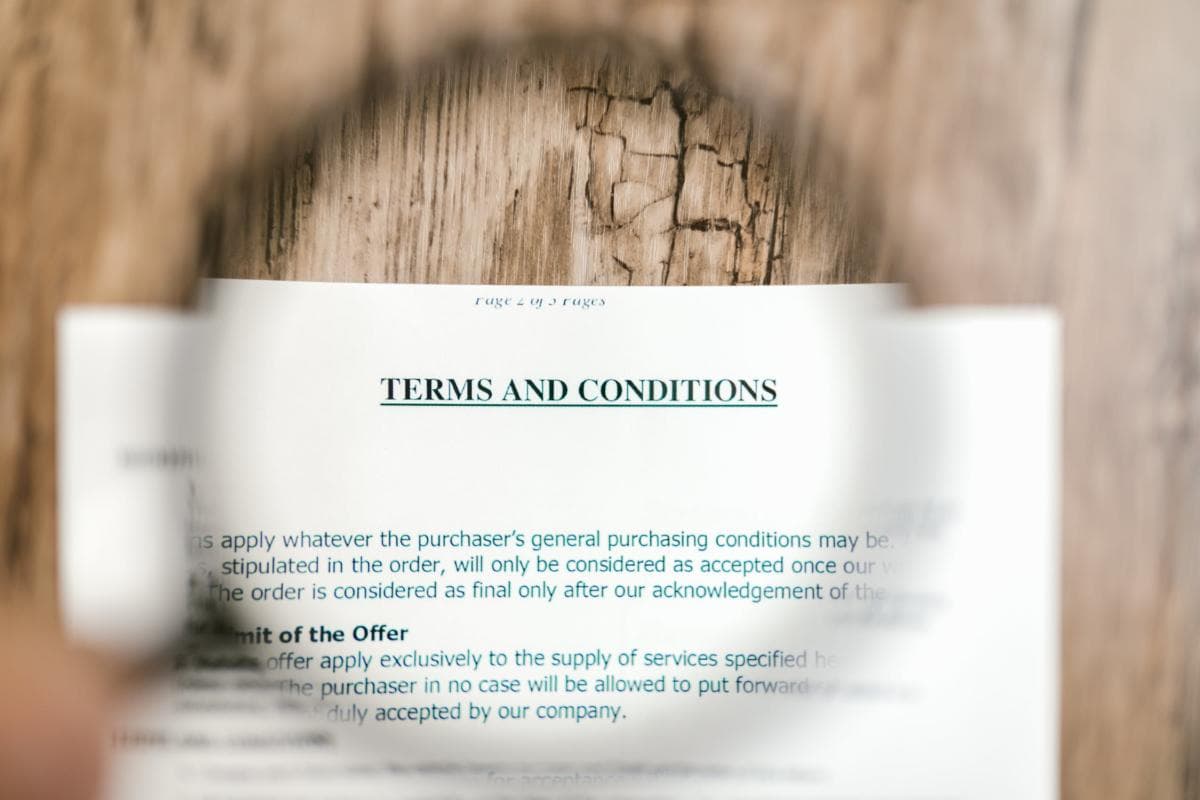
Business Terms And Conditions
A terms and conditions sets out the rules and responsibilities for utilising your business for clients, as well any obligations you might have towards them. Having terms and conditions prepared can help limit your liability in some cases, so it’s worth looking into.
Privacy Policy
Does your business have a website? If it does and it happens to collect any kind of private information, then you will need a Privacy Policy to be compliant with the Privacy Act and New Zealand Privacy Principles.
IP Protection For My Massage Therapy Business
A lot of business owners like to build a brand and reputation for their business. It can be a huge factor when it comes to marketing the business and setting it apart from competitors. If this is one of your business goals, then you need to look into protecting your IP. Things like signs, logos and even a business name cannot be used exclusively or be legally protected unless it’s a registered trade mark. If this is something you’re thinking about, then talk to one of our IP experts today- getting a trade mark is not a simple process however, having the help of the right legal professional can make it much easier.
Home Based Massage Therapy Business
There’s no rule against having a home based massage therapy business, however there are a few additional legal considerations. For starters, think about zoning laws and local council regulations. This will impact whether or not you can start the business from home and if there are any applications or licences you might need to attain. There are also other considerations, such as your premises space and ability to privately host clients, if there’s available parking or whether the location is accessible or not. All of these will play a role in determining whether or not a home based massage therapy business is the right way to go.
Next Steps
You can establish the groundwork for your massage therapy business by taking the time to carefully plan things out and address the relevant legal considerations. To summarise what we’ve discussed:
- Develop a comprehensive business plan outlining your vision, financial planning, market research, and legal considerations
- Obtain the minimum qualification of a Diploma in Wellness and Relaxation Massage or consider further qualifications for added credibility
- Decide on the legal structure of your business based on factors like personal liability, risk, and regulatory requirements
- Register your massage therapy business accordingly
- Secure essential legal documents, such as Service Agreement, Employment Agreement, Business Terms and Conditions, and Privacy Policy, to protect your business and establish clear expectations with clients and employees
- Consider intellectual property (IP) protection, such as registering trademarks, to safeguard your brand and reputation in the market
- If running a home based massage therapy business, be aware of zoning laws and local council regulations that may affect your ability to operate from home
If you would like a consultation on starting a massage therapy business, you can reach us at 0800 002 184 or team@sprintlaw.co.nz for a free, no-obligations chat.

Sapna Goundancontent writer