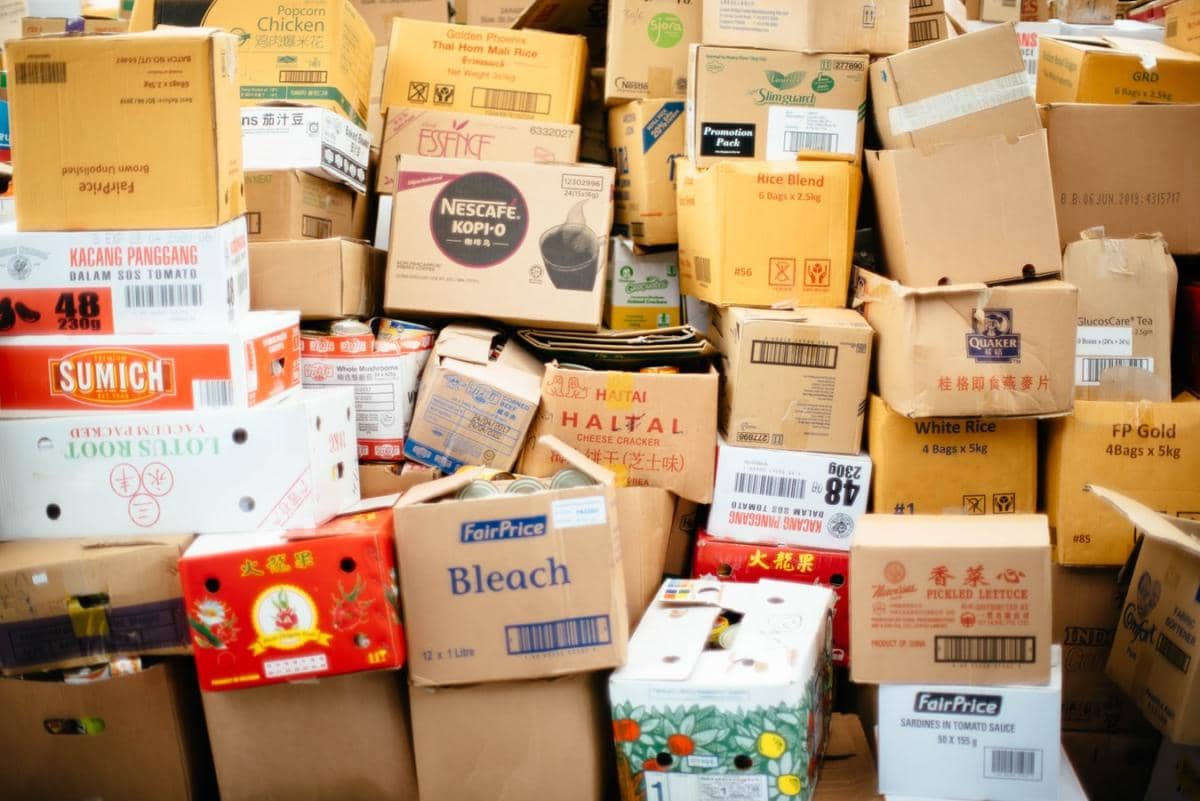
If you’re selling products to retailers, distributors, or other businesses (rather than directly to consumers), you’re probably doing some form of wholesaling already.
And if you’re wholesaling without a written agreement, you might be relying on email threads, verbal promises, and “we’ve always done it this way” arrangements.
That can work for a while - until it doesn’t. This updated guide reflects the way wholesale relationships operate right now, including more online ordering, tighter supply chains, and increased scrutiny on fair pricing and marketing claims.
Below, we’ll walk you through when you actually need a wholesale agreement, what it should cover, and the common traps that catch NZ product businesses off guard.
What Is A Wholesale Agreement (And Why Does It Matter)?
A wholesale agreement is a contract between a supplier (you) and a buyer (usually another business) that sets out the rules for selling products at wholesale.
In plain terms, it answers the practical questions you and your wholesale customer will eventually argue about if things go sideways, like:
- What exactly is being supplied (and what standards apply)?
- What are the prices and how can they change?
- How are orders placed and accepted?
- When does ownership and risk pass?
- What happens if goods are damaged, late, or not paid for?
- Can either party end the relationship, and how?
Even if you have an invoice system and a friendly relationship with your stockists, that doesn’t automatically give you legal protection if there’s a dispute.
A well-drafted wholesale agreement also makes your business easier to scale. When you bring on new retailers, you don’t want to renegotiate your “standard deal” every time - you want a consistent set of rules that you can confidently roll out.
When Do I Actually Need A Wholesale Agreement?
You don’t always legally need a wholesale agreement to sell wholesale, but there are plenty of times when you practically need one to protect your business.
Here are the most common situations where it’s smart (and often essential) to put a wholesale agreement in place.
1) When You’re Supplying On An Ongoing Basis
If you’re sending regular orders to the same retailers (weekly, monthly, seasonal restocks), you’ve got an ongoing commercial relationship - not a one-off sale.
That’s where misunderstandings creep in, like whether prices can change between seasons, whether the retailer has to buy minimum quantities, and who pays for freight or packaging costs.
An agreement gives you one consistent reference point when the relationship evolves or someone on either side changes roles.
2) When You’re Offering Trade Credit Or Payment Terms
As soon as you’re letting customers pay later (for example, 7 days, 14 days, end-of-month, or 30 days), you’re taking on non-payment risk.
Your wholesale agreement should set out:
- payment due dates and how invoices are issued
- late payment interest (if any) and when it applies
- your rights if payment isn’t made (including pausing supply or ending the agreement)
- what happens if there’s a dispute about the invoice
This is also where you’ll often align your agreement with your business-wide payment terms and protections, such as your Terms Of Trade.
3) When Stockists Want Special Conditions (Or You’re Offering Them)
Many wholesalers end up with “custom deals” that are agreed over email: a higher discount, exclusivity in a region, special returns rights, or marketing commitments.
If those special conditions aren’t clearly documented, it’s easy for expectations to diverge - and it can be surprisingly hard to enforce what you think was agreed.
A wholesale agreement can include schedules for these special arrangements, so the legal framework stays consistent while the commercial deal can vary from customer to customer.
4) When Your Products Have Compliance, Safety, Or Shelf-Life Risks
If you sell food, beverages, cosmetics, supplements, kids products, or anything with potential safety or labelling issues, it’s worth having a contract that clearly sets out product handling responsibilities.
For example:
- storage requirements (temperature, sunlight, expiry management)
- batch tracking and recall procedures
- what happens if the retailer repackages or relabels your goods
- how you’ll handle complaints and returns
These terms won’t replace your regulatory obligations, but they can reduce confusion and help you manage risk if something goes wrong in the supply chain.
5) When You’re Scaling, Raising Investment, Or Preparing For A Business Sale
If you’re growing quickly, investors and buyers tend to look for stable, repeatable revenue - and clean documentation.
A clear wholesale agreement can help demonstrate that your relationships with stockists are properly managed and enforceable (rather than based on informal arrangements that could end overnight).
This often becomes relevant when you start thinking about due diligence or transaction documents like a Distribution Agreement (if you’re appointing a distributor) or even when you’re preparing for a sale process.
Wholesale Agreement Vs Distribution Agreement: Which One Do You Need?
“Wholesale” and “distribution” are often used interchangeably in everyday business talk, but legally they can mean very different relationships.
Choosing the right agreement matters because it affects control, risk, and how your products get to market.
Wholesale Agreement (Typical Scenario)
A wholesale customer usually:
- buys products from you (often at a discount)
- resells them to consumers or other businesses
- sets their own resale pricing (subject to competition law constraints)
- is generally not “representing” you as an agent
This is common for retailers, online stores, local shops, gyms, salons, and cafes purchasing stock to resell.
Distribution Agreement (Typical Scenario)
A distributor relationship often involves:
- a party that actively builds your market presence (sometimes with marketing obligations)
- defined territory rights (e.g. “North Island distributor”)
- minimum order quantities or sales targets
- more complex logistics and brand control terms
In practice, distributors can become a key part of your brand reputation, so you’ll usually need more detailed terms around marketing, customer service, and sales channels.
If you’re unsure which model you’ve actually set up, it’s worth getting advice early - fixing it later can be messy, especially if the other party believes they have exclusivity or long-term rights.
What Should A Good Wholesale Agreement Include?
There’s no one-size-fits-all wholesale agreement, because what you need depends on your products, your sales channels, and how much risk you can realistically carry.
Still, most strong wholesale agreements in NZ cover a core set of topics.
Products, Ordering, And Acceptance
This section helps prevent disputes about what was ordered and what you’re required to supply.
- Product description: SKUs, specifications, packaging, and acceptable variations.
- How orders are placed: portal, email, EDI, phone (and what counts as valid).
- Your right to accept or reject orders: especially important during supply shortages.
- Lead times: estimated vs guaranteed delivery dates.
Pricing, Discounts, And Price Changes
Pricing issues are one of the most common sources of wholesale conflict - particularly when costs rise and you need to update your wholesale price list.
Your agreement might cover:
- your wholesale price list and how it’s provided
- how promotions are handled
- how and when you can update pricing
- whether discounts apply to all products or only certain ranges
If you’re tempted to control the retailer’s resale price, be careful. NZ competition law issues can arise if you try to enforce minimum resale prices in a way that restricts competition. It’s not that you can’t set wholesale prices - you can - but resale pricing needs careful handling.
Payment Terms And Non-Payment Protections
This is where you protect your cashflow. A wholesale agreement can work alongside credit applications and invoicing processes, and it should be consistent with how you actually operate.
Common inclusions are:
- payment method and due date
- credit limits (if you offer trade credit)
- late fees or interest (if used)
- your right to suspend supply for overdue accounts
- collection and enforcement costs
If you have suppliers and contractors supporting your operations (like logistics providers, marketing consultants, or manufacturing partners), aligning your inbound and outbound terms can be a smart risk-management move. Depending on your setup, you might also use a Supply Agreement on the supplier side.
Delivery, Risk, And Title
One surprisingly common dispute is: “Who is responsible for the goods when they’re in transit?”
Your agreement should clearly state:
- delivery method (courier, freight, pickup)
- who pays freight and insurance
- when risk passes (e.g. on dispatch, on delivery, on pickup)
- when title/ownership passes (often tied to payment)
These terms become even more important if you ship nationwide, supply to multiple locations, or use third-party warehouses.
Returns, Faults, And Consumer Law Flow-On Issues
Even though your wholesale customer is a business, consumer law can still affect you indirectly.
For example, if a consumer complains to a retailer about a faulty product, the retailer may seek remedies from you. This is where your contract terms on faults, returns, and warranty processes matter.
In NZ, businesses must be careful about representations made in marketing and product descriptions under the Fair Trading Act 1986. If a retailer repeats your claims (for example, “clinically proven”, “NZ made”, “compostable”), you want to be confident those claims are accurate and substantiated.
A wholesale agreement can include processes for:
- how faults are reported and evidenced
- timeframes for returns
- restocking fees (where appropriate)
- non-returnable items (e.g. clearance, short-dated stock)
Brand, Marketing, And IP Use
Wholesale customers often want product photos, logos, brand names, and marketing copy so they can advertise your products.
This can be great for sales - but it’s also where brand misuse happens accidentally (or intentionally).
Your agreement can set boundaries around:
- how your trade marks and branding can be used
- what product images are approved
- where products can be sold (e.g. online marketplaces)
- rules against misleading or unauthorised marketing claims
If you’re actively protecting your brand, it can also be worth aligning this with your broader IP strategy and registrations, such as Trade Mark protection.
Exclusivity, Territory, And Sales Channels
Exclusivity is one of the biggest “handshake deal” risks in wholesale.
A stockist might assume they’re your exclusive retailer for a suburb or region because they were your first customer there - while you might think you’re free to sell to anyone.
If you want to offer exclusivity (or if someone asks for it), put it in writing and define it clearly:
- the exact territory (and whether it’s exclusive or non-exclusive)
- the term (e.g. 12 months, ongoing, renewable)
- minimum order requirements or performance targets
- exceptions (e.g. your own direct-to-consumer online store)
Term, Termination, And What Happens After Termination
Not every wholesale relationship is forever, and it’s better to agree upfront how it ends.
Termination clauses often cover:
- notice periods for ending “for convenience”
- immediate termination rights (e.g. non-payment, insolvency, serious breach)
- what happens to outstanding orders
- whether the customer can sell through remaining stock
- how branding and marketing materials must be handled after the relationship ends
Getting this right helps you avoid an awkward limbo where you want to stop supplying, but the customer claims you can’t.
Common Wholesale Risks If You Don’t Have An Agreement
It’s easy to assume “we’ll deal with issues if they happen”, but wholesale disputes tend to escalate quickly because money and stock are involved.
Here are a few common problems we see when there’s no clear wholesale agreement in place.
Unpaid Invoices And Cashflow Stress
If payment terms aren’t clearly documented (and consistently applied), it can be difficult to enforce late fees, pause supply, or recover costs.
And even when you can recover the money, the time and stress of chasing payment can be a real drain on a growing business.
Return Requests That Blow Out Your Margins
Retailers may ask to return slow-moving stock, seasonal products, or opened cartons - especially if they’re used to “sale or return” arrangements in other industries.
If you haven’t agreed on return rights in advance, you may feel pressured to accept returns just to keep the relationship, even if it’s commercially unsustainable.
Disputes Over Delivery Delays Or Damaged Stock
If the goods arrive damaged, who is responsible: you, the courier, or the retailer?
If there’s no written term dealing with risk and delivery, you can end up covering losses you never priced into your wholesale margin.
Brand Misuse And Messy Marketing Claims
Retailers often create their own product listings. Sometimes they use outdated descriptions, incorrect ingredients lists, or unapproved claims. That can create legal risk (and reputational harm) for your brand.
Clear brand-use rules in your agreement can help you respond quickly and consistently when something isn’t right.
“Exclusivity” Arguments After You Sign A New Stockist
This is one of the most frustrating scenarios for founders: you’re growing, you sign a new retailer, and your original retailer objects - claiming they were promised exclusivity.
A wholesale agreement lets you control this from day one, either by:
- stating the relationship is non-exclusive; or
- setting out a very clear exclusivity deal with boundaries and performance requirements.
Key Takeaways
- A wholesale agreement sets the ground rules for selling products to other businesses, including pricing, orders, payment, delivery, returns, and termination.
- You’ll usually want a wholesale agreement when you’re supplying stockists on an ongoing basis, offering payment terms, or agreeing to special conditions like exclusivity.
- If you’re appointing a party to actively grow a territory or manage channels, a distribution model (and the right contract structure) may be more appropriate than a simple wholesale agreement.
- Wholesale agreements should clearly cover ordering and acceptance, price changes, credit and late payment protections, delivery risk, returns processes, and brand/IP use rules.
- Without a proper agreement, common risks include unpaid invoices, margin-killing returns, delivery disputes, and “exclusivity” misunderstandings that can slow your growth.
- Because wholesale relationships differ by product type, sales channel, and risk profile, it’s worth getting your agreement tailored rather than relying on generic templates.
If you’d like help putting the right wholesale agreement in place (or reviewing what you’re currently using), you can reach us at 0800 002 184 or team@sprintlaw.co.nz for a free, no-obligations chat.