Sapna has completed a Bachelor of Arts/Laws. Since graduating, she's worked primarily in the field of legal research and writing, and she now writes for Sprintlaw.
Contents
Pop up shops are a great way to test a product idea, build buzz, and make real sales without committing to a long-term lease. Whether you’re launching a new brand, running a limited-time collaboration, or taking your online store “offline” for the first time, a pop up can be a smart, low-commitment move.
But “temporary” doesn’t mean “informal”. Even for a weekend stall or a one-month activation, you’ll still be dealing with contracts, consumer law, health and safety duties, and (often) other people’s property and staff.
This guide is updated to reflect how pop ups are commonly run today, including the modern reality of digital payments, customer data capture, and short-form retail arrangements. If you get the legal foundations right from day one, your pop up can be exciting and properly protected.
What Counts As A Pop Up Shop (And Why The Legal Set-Up Matters)
A “pop up shop” usually means a short-term retail presence that’s set up temporarily, such as:
- a kiosk in a shopping centre
- a short-term space in a vacant shopfront
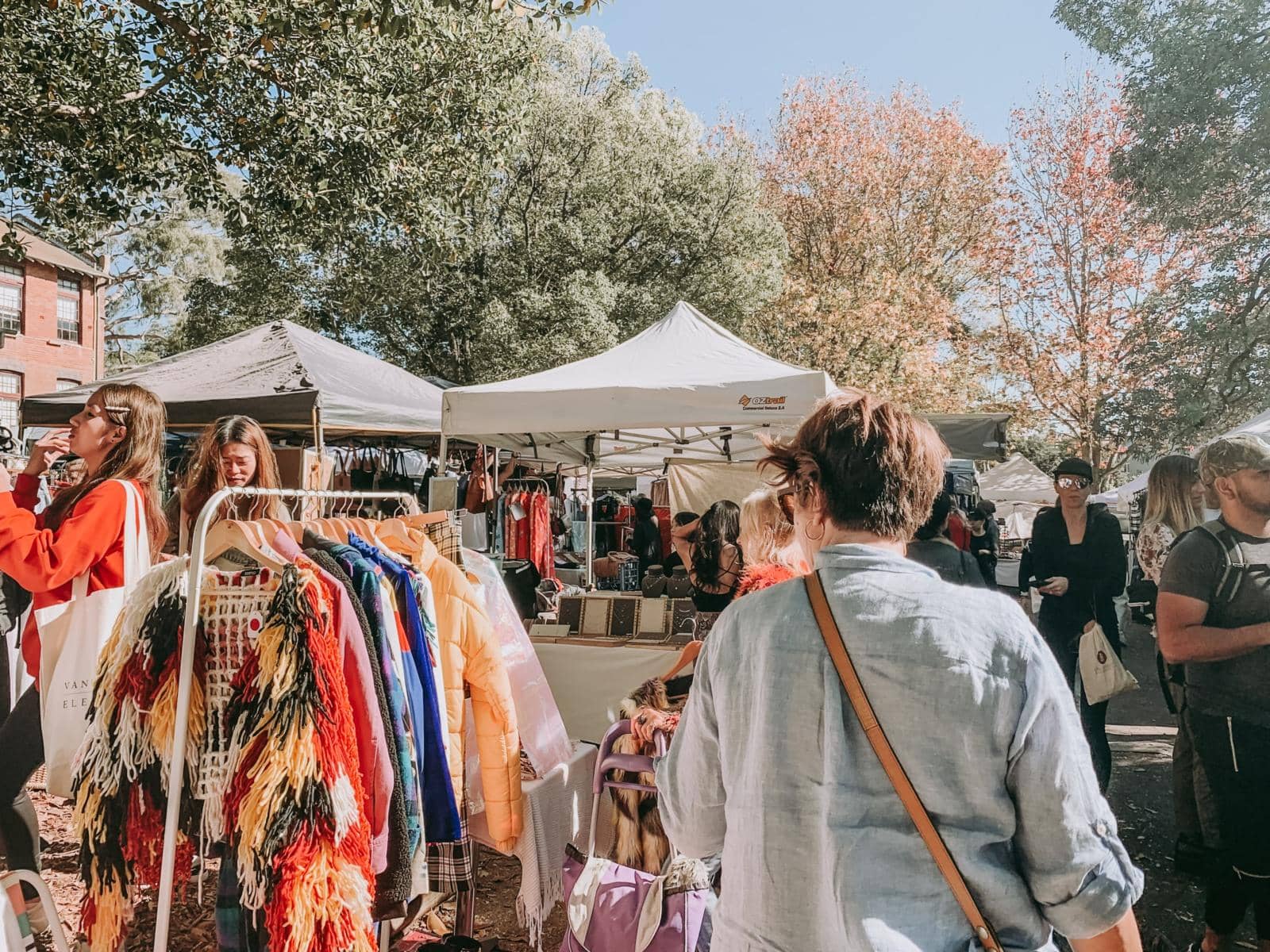
- a stall at a market or event
- a “shop within a shop” arrangement with another retailer
- a brand activation space (where you sell products, take orders, or collect leads)
Even if your pop up lasts only a few days, you’ll still be entering legally binding arrangements. In practice, pop up legal risk tends to show up in a few predictable places:
- Space disputes (what you’re allowed to do in the premises, trading hours, signage, insurance, damage)
- Payment and cancellation issues (refunds, exchanges, delays, “final sale” signage that doesn’t do what you think it does)
- Brand and IP problems (using a name or logo that clashes with someone else)
- Staffing mistakes (hiring casually but treating it like “trial shifts” or not documenting expectations)
- Privacy problems (collecting emails or phone numbers at the counter without the right notices)
The goal isn’t to over-lawyer a simple concept. It’s to make sure your pop up doesn’t become expensive because of one preventable misunderstanding.
Step-By-Step: How To Set Up Your Pop Up Shop
If you’re planning your first pop up, it helps to work backwards from opening day. Here’s a practical checklist-style process.
1. Confirm Your Pop Up Model
Before you sign anything, get clear on how the pop up will operate:
- Will you sell products on the spot, take pre-orders, or both?
- Will you be running EFTPOS only, cash only, or a mix?
- Will you share space with another business?
- Will you have staff or contractors in the space?
- Will customers try products (samples, demos, beauty services, fittings)?
These choices affect the contracts you need, the compliance risks, and even your insurance requirements.
2. Pick The Location And Understand The Space Rules
Pop ups often happen in high-foot-traffic locations like malls, CBD strips, or event venues. Each location type usually comes with its own rules around:
- opening hours and access times
- signage size and placement
- music/noise levels
- fit-out restrictions (painting, drilling, hooks, lighting)
- storage and deliveries
- health and safety induction requirements
Make sure you get these rules in writing. If the centre manager says “that’s fine” but your agreement says otherwise, the agreement will usually win.
3. Set Up Payments, Receipts, And Refund Processes
On a busy pop up day, you don’t want staff making up refund rules at the counter. Get your customer-facing processes sorted early:
- prices displayed clearly (and consistently across signage and POS)
- GST treatment understood and built into pricing
- receipts or proof of purchase process
- a returns/refunds process that complies with NZ consumer law
If you sell online and are “popping up” temporarily, aim for consistent returns messaging across your website and in-store signage. In many cases, your returns, refunds and exchanges approach is what customers remember most.
4. Get Your Stock, Suppliers, And Branding Ready
Pop ups often create demand spikes, which can stress your supply chain. If you’re ordering inventory, packaging, signage, or a custom fit-out, it’s worth checking:
- lead times and delivery windows
- who pays if items arrive damaged
- what happens if you need to cancel
- whether your supplier terms limit their liability
This is where good contracts (and avoiding vague email-only arrangements) can save you a lot of time and cost.
Do I Need A Lease Or A Licence For A Pop Up Space?
This is one of the most important pop up questions, because the document you sign controls your rights in the space.
Some pop ups are set up under a short-form lease. Others use a licence to occupy (sometimes called a “space licence” or “pop up licence”). The right option depends on the arrangement, the space, and what rights you’re being granted.
Pop Up Leases
If your pop up agreement looks and feels like a traditional lease (exclusive possession of a premises for a period, with rent and outgoings), you’ll want to take it seriously. Leases can include obligations around:
- rent, bond and rent review mechanics
- outgoings (rates, body corporate, utilities)
- maintenance and repair
- insurance requirements
- make-good obligations at the end (restoring the premises)
Even for a short term, a lease can create costs that surprise first-time pop up owners. A Commercial Lease Review can help you spot the clauses that matter most before you commit.
Licences To Occupy (Common For Kiosks And Activations)
A licence usually gives you permission to use a space under conditions, without giving you the same “tenant-style” rights that a lease may provide. Licences can be more flexible, but they can also be easier to terminate.
Make sure you understand:
- how much notice the venue can give to end the licence
- whether you can transfer the licence to someone else (usually not)
- your permitted use (what you can sell, and how you can trade)
- who is responsible if there’s damage, theft, or an incident
Key Tip: Don’t Assume “Short Term” Means “Low Risk”
Many pop up disputes happen because expectations weren’t documented: power access, signage approval, storage, footpath trading permissions, or bump-in/bump-out times.
If you’re negotiating terms (even informally), it can help to capture key commercial points early in a Heads Of Agreement so you don’t end up re-arguing the basics later.
What Laws Do Pop Up Shops Need To Follow In New Zealand?
A pop up shop is still a business, so the usual NZ legal obligations apply. The “temporary” part mainly affects your logistics, not your compliance.
Consumer Law: Advertising, Pricing, Refunds And Product Issues
In New Zealand, two key laws commonly apply to pop up retail:
- Fair Trading Act 1986 (your advertising and sales conduct can’t be misleading or deceptive)
- Consumer Guarantees Act 1993 (products must meet certain guarantees, like acceptable quality and matching description, when sold to consumers)
Practically, this means you should be careful with:
- “was/now” pricing claims (make sure you can support them)
- statements like “no refunds” or “final sale” (these can be misleading if customers still have rights for faulty products)
- influencer or social media promotions tied to the pop up (be accurate about availability and timeframes)
- product labelling and descriptions (especially if you’re selling cosmetics, food, supplements, or imported goods)
Health And Safety: Your Duties Still Apply
If you’re running a pop up, you’ll typically have health and safety duties under the Health and Safety at Work Act 2015. Exactly how this applies depends on your role and setup (for example, you might be a PCBU operating in someone else’s venue).
Common pop up risk areas include:
- trip hazards from cables, mats, and temporary displays
- unstable shelving and product displays
- crowd management during peak trading
- manual handling injuries when moving stock
- food safety risks if you provide samples
A quick safety checklist, staff briefing, and incident process can go a long way. If the venue has its own safety policies, make sure you comply with them as well.
Privacy: Email Lists, Giveaways, And In-Store Data Capture
Pop ups are often used to build a customer list through giveaways, QR codes, and loyalty sign-ups. If you collect personal information (like names, emails, phone numbers, birthdays, or even CCTV footage), the Privacy Act 2020 may apply.
As a rule of thumb, you should:
- tell customers what you’re collecting and why
- only collect what you actually need
- store the information securely
- avoid using the information for unrelated marketing unless you’ve got the right consent
Many businesses handle this by having a clear Privacy Policy and a short collection notice at the point of collection (for example, near the QR code sign-up).
Employment Law: Staff, Trials, And “Just Helping Out”
If you hire staff for your pop up (even for a few shifts), you’ll want to make sure pay, hours, breaks, and duties are clear from the start. A short-term arrangement still needs to comply with employment law, including minimum wage obligations.
It’s usually a good idea to use an Employment Contract that matches how you’re actually engaging the person (casual, fixed-term, or part-time).
If friends or family are “helping out”, be careful. If they’re effectively working as an employee, you can still end up with employment obligations even if you didn’t intend to “hire” anyone.
What Legal Documents Should I Have For A Pop Up Shop?
The legal documents you need will depend on your pop up’s size, where it’s located, and how you sell. But there are some common documents that help most pop up businesses stay protected.
Pop Up Agreement (Lease Or Licence)
This is your core document with the landlord, shopping centre, venue, or host retailer. At a minimum, you want clarity on:
- term (start and end dates) and access times
- rent or licence fee, bond, and payment terms
- permitted use (what you can sell and how you can operate)
- fit-out rules and who owns the fit-out
- insurance requirements (public liability is commonly requested)
- responsibility for damage, repairs, and cleaning
- make-good obligations at the end
- termination rights (and what happens if the centre closes, an event is cancelled, or there’s an emergency)
If you’re unsure what you’re signing, it’s worth getting advice before you commit. Small wording differences can have big cost consequences.
Terms And Conditions For Sales (Especially If You Take Orders)
If you’re taking pre-orders, deposits, or making custom products, it’s helpful to have clear customer terms that cover:
- payment timing and accepted methods
- delivery or pick-up timeframes
- cancellation rules (what happens if the customer changes their mind)
- faulty product processes
- limitation of liability (where appropriate and lawful)
This is especially important if your pop up is part of a broader eCommerce setup and customers assume online-style processes will apply automatically.
Supplier Or Contractor Agreements (If Others Are Building Or Supporting The Pop Up)
If you’re working with a shopfitter, signage printer, photographer, brand ambassador, security provider, or event organiser, a written agreement helps set expectations around:
- scope of work and deadlines
- fees and payment timing
- ownership of materials (e.g. photos and video content)
- cancellations and rescheduling
- responsibility for damage and insurance
This becomes even more important when timelines are tight (which is basically every pop up ever).
Brand Protection (Trade Marks And Naming)
Pop ups are often highly visible. That’s great for marketing, but it also means brand issues surface quickly. Before you print signage or pay for packaging, you’ll want to check you’re not stepping on someone else’s rights.
If your pop up is tied to a new brand, consider whether you should Register Your Trade Mark so you can build recognition without worrying someone else will register it first.
Optional: A Simple Collaboration Agreement
Many pop ups are collaborations (two brands splitting rent, running co-promotions, or sharing staff). If that’s you, it’s worth documenting:
- who pays which costs (rent, fit-out, marketing, EFTPOS fees)
- how revenue is split (and how returns are handled)
- who owns customer data collected during the pop up
- who owns content created during the event
- what happens if one party pulls out
A short agreement upfront can help preserve the relationship if something goes off-plan.
Key Takeaways
- A pop up shop is still a real business arrangement, even if it only runs for a weekend, so it’s worth getting your legal foundations right early.
- Your biggest “make or break” document is usually the space agreement (lease or licence), which should clearly cover rent, permitted use, insurance, fit-out rules, and make-good obligations.
- Pop ups must comply with NZ consumer laws, including the Fair Trading Act 1986 and Consumer Guarantees Act 1993, so be careful with pricing claims, “no refunds” signage, and product descriptions.
- If you collect customer details through QR codes, giveaways, or mailing lists, the Privacy Act 2020 may apply and you should have a clear privacy approach in place.
- If you bring on staff (even temporarily), make sure you use the right employment documents and meet your obligations around pay, hours, and workplace expectations.
- Having the right contracts with suppliers, contractors, and collaborators can prevent last-minute disputes when timelines are tight and the pop up is already underway.
If you’d like help setting up your pop up shop the right way - whether that’s reviewing a short-term lease or licence, preparing your customer terms, or protecting your brand - you can reach us at 0800 002 184 or team@sprintlaw.co.nz for a free, no-obligations chat.

Sapna GoundanMarketing Coordinator

