Alex is a co-founder of Sprintlaw. Alex previously worked at a top-tier firm as a lawyer specialising in technology and media contracts, and founded a digital agency which he sold in 2015.
Contents
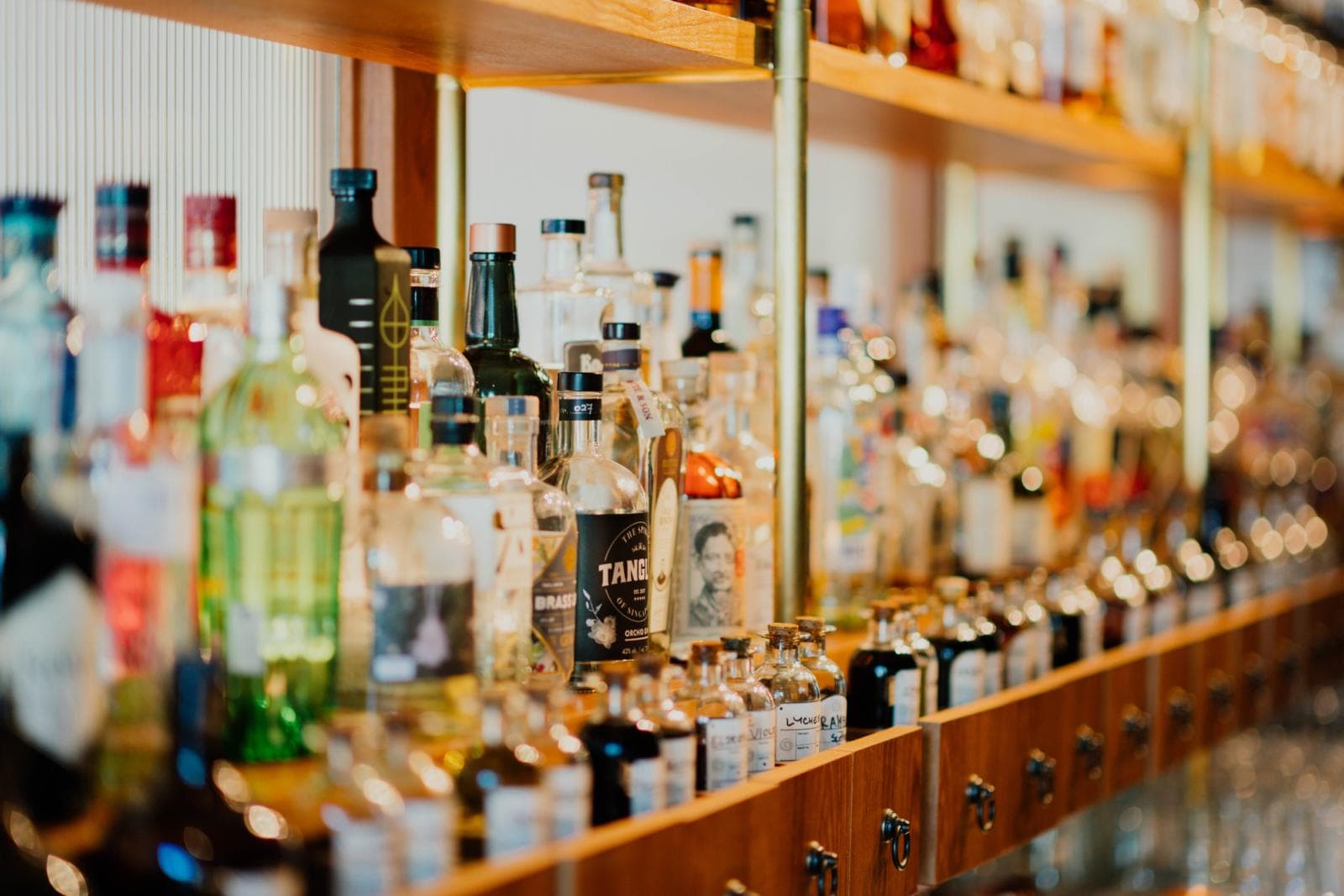
Can you serve wine, beer or cocktails in your cafe or restaurant once customers are dining in? Usually, not until you have the right alcohol licence in place.
The good news is that a liquor licence in NZ is manageable when you know what the District Licensing Committee is looking for. For hospitality businesses, the application is less about one form and more about showing you have safe systems, trained people and clear rules for serving alcohol responsibly.
Here is a practical checklist to help you get your documents, policies and alcohol sale terms in order.
Do I Need A Liquor Licence To Serve Alcohol In My Cafe Or Restaurant?
Yes, if your cafe or restaurant sells or supplies alcohol for customers to drink on your premises, you'll usually need an alcohol licence under the Sale and Supply of Alcohol Act 2012.
In New Zealand, people often call this a liquor licence, but the legislation generally refers to an alcohol licence. The key point is the same: you need approval before alcohol service starts.
For a cafe or restaurant, alcohol service can include:
- selling a glass of wine with dinner
- including a beer in a set menu or degustation package
- serving cocktails at a private function held at your venue
- charging a corkage fee if customers bring their own alcohol, depending on your setup and licence type
The licence sits alongside your other business obligations. For example, you may also need to think about food registration, employment obligations for your staff, health and safety systems, privacy processes for online bookings, and fair marketing under the Fair Trading Act 1986.
Alcohol licensing is handled locally. You apply to your local council, and the application is decided by the District Licensing Committee. The Police, the licensing inspector and the Medical Officer of Health can report on your application, so your paperwork needs to show your venue will be managed safely.
Which Licence Type Does A Cafe Or Restaurant Usually Need?
Most cafes and restaurants need an on-licence, because customers will be drinking alcohol at your premises.
An on-licence can allow you to sell and supply alcohol for consumption on site. For a restaurant, this is usually the main licence to look at. Your application should match the way you actually trade, including your food service, opening hours, layout and customer experience.
Common Options For Hospitality Venues
- On-licence: Usually the right licence for a restaurant, bar, cafe or hotel where alcohol is consumed on the premises.
- BYO endorsement: Relevant if customers bring their own alcohol to drink with meals. BYO rules can be tricky, so check how your council treats your exact setup.
- Special licence: Usually used for one-off or occasional events, rather than your ordinary daily restaurant service.
- Off-licence: Usually for selling alcohol to take away, which isn't the standard licence for a dine-in cafe or restaurant.
Say Mei runs a 45-seat neighbourhood cafe in Wellington. She wants to serve wine and beer with dinner from Thursday to Saturday, 5pm to 10pm. Mei isn't selling bottles for takeaway. In that case, she would usually be looking at an on-licence with hours and conditions that match the dinner service.
If your business model changes later, your licence may need to change too. For example, adding takeaway alcohol sales, hosting late-night events or moving from cafe-style service to a bar-style operation can all affect your licensing position.
What Documents Do I Need For An Alcohol Licence Application?
You usually need a set of business, premises and operational documents that show the District Licensing Committee how your restaurant will manage alcohol responsibly.
Each council has its own application form and document requirements, so check your council's current checklist before you lodge anything. As a starting point, be ready to collect:
- Business details: your legal business name, company number if you operate through a company, NZBN if you have one, and contact details.
- Premises details: the address, proposed licensed area and a clear floor plan showing where alcohol will be sold, supplied and consumed.
- Food information: your sample menu, kitchen details and how substantial food will be available during licensed hours.
- Hours sought: the days and times you want to sell alcohol, keeping them realistic for your dining service.
- Host responsibility policy: your plan for safe service, minors, intoxication, transport options and food availability.
- Staffing and training details: who your duty managers are, how staff are trained, and how you supervise service.
- Manager details: copies or details of manager's certificates, or evidence that applications are underway.
- Public notice material: wording and publication details as required by your council.
- Planning, building and fire information: any certificates, approvals or confirmations your council asks for.
Applications are assessed against the criteria in section 105 of the Sale and Supply of Alcohol Act 2012. In plain English, the committee will look at whether you're suitable, whether your systems are sensible, whether your hours and location create issues, and whether your venue will reduce alcohol-related harm.
Fees aren't the same everywhere for every venue. Alcohol licensing fees are usually based on a risk rating that considers things like licence type, licensed hours and any enforcement history. Your local council can confirm the current application fee and annual fee for your premises.
Do I Need A Manager's Certificate?
Yes, in most cases you need at least one certificated manager on duty whenever alcohol is being sold or supplied under an on-licence.
A manager's certificate shows that the person is approved to supervise alcohol service. For restaurants, this is a practical staffing issue as much as a legal one. If your only certificated manager calls in sick on a busy Friday night, you may not be able to serve alcohol unless another approved manager is on duty or an exception applies.
A person applying for a manager's certificate usually needs to show they're suitable and have the required knowledge of the Sale and Supply of Alcohol Act 2012. Many applicants complete the Licence Controller Qualification, often called the LCQ, before applying.
Staffing Example
Mei's cafe serves alcohol three nights a week from 5pm to 10pm. She decides to have two certificated managers rather than one. That gives her cover for sickness, annual holidays under the Holidays Act 2003, and roster changes.
She also trains all floor staff on:
- checking ID for customers who look under 25
- refusing service to intoxicated customers
- offering food and water
- recording incidents in an incident register
- calling the duty manager early if a customer is becoming difficult
This is the kind of practical system that helps your application and protects your team during service.
What Policies Should I Have Ready For Staff And Customers?
You should have a host responsibility policy, staff alcohol service procedures and clear customer-facing alcohol sale terms before you rely on your licence in daily service.
Templates can be a useful starting point, but hospitality documents work best when they're tailored to your menu, hours, staff structure and customer flow. A tiny brunch cafe serving wine with lunch doesn't need the same procedures as a late-night restaurant with cocktails and private functions.
Host Responsibility Policy Outline
Use this as a fill-in outline, not a finished policy. Have a lawyer or legal adviser tailor it before you use it with staff or provide it to a council.
- Purpose: explain that your venue aims to serve alcohol safely and reduce alcohol-related harm.
- Licensed Area And Hours: describe where alcohol can be consumed and the approved trading hours you're seeking or operating under.
- Food Availability: explain what substantial food is available, when it's available and how staff offer it to customers.
- Low-Alcohol And Non-Alcohol Options: list the options customers can buy and how they're promoted.
- Minors And ID Checks: set out acceptable ID, your age-check approach and what staff do if ID is refused or unclear.
- Intoxication: explain how staff identify intoxication, slow service, refuse service and record incidents.
- Transport Options: note taxis, rideshare, public transport or safe pickup information available to customers.
- Staff Training: explain induction, refresher training, duty manager responsibilities and record keeping.
- Incident Register: state what gets recorded, who records it and how management reviews it.
- Review Process: set a review cycle, especially after incidents, staff changes or licence renewals.
Your staff policies should also connect with your employment documents. For example, your employment agreements and staff handbook should make it clear that employees must follow lawful alcohol service procedures, health and safety rules, and reasonable manager directions.
What Happens If Someone Objects To My Application?
If someone objects, the application may take longer and the District Licensing Committee may hold a hearing before deciding whether to grant the licence.
For many new on-licence applications, public notice is required. People with a greater interest than the general public can usually object, such as nearby residents, businesses or organisations affected by the licence. Objections are generally due within 15 working days after the first public notice.
The Police, Medical Officer of Health and licensing inspector can also raise concerns. They might focus on your proposed hours, the venue layout, previous compliance history, staff training or whether your host responsibility systems are strong enough.
What To Do If Concerns Are Raised
Start by keeping everything calm and organised. You don't need to treat every concern as a fight, but you do need to take it seriously.
- Read the concern carefully: identify whether it relates to hours, noise, amenity, safety, suitability or your systems.
- Collect your records: keep your application, policies, staff training notes, floor plan, menus and correspondence together.
- Check whether a practical change helps: sometimes adjusted hours, clearer supervision or better incident procedures can answer the concern.
- Respond through the proper process: follow the council's instructions and deadlines.
- Get tailored help early: especially if a hearing is likely or your business model depends on the licence.
For example, if Mei asks for alcohol service until 1am but her cafe is in a quiet dining area and only plans to serve food until 10pm, the committee may question whether those hours fit the nature of the business. A more realistic request, such as 5pm to 10pm with food available throughout, may better match her restaurant operation.
If a dispute develops or you need representation in a hearing or court process, you'll need to speak with a provider that handles disputes or advocacy. For day-to-day preparation, your best protection is clear documents and sensible systems from the start.
How Should My Terms Cover Alcohol Sales?
Your customer terms should clearly state when you can refuse or stop alcohol service, because your licence obligations must come first.
This matters for restaurants that take online bookings, deposits, function bookings or set-menu prepayments. If your terms don't mention alcohol service rules, customers may argue when staff refuse service, cancel an alcohol package or remove someone from the premises.
Your booking terms, event terms or function terms should cover:
- alcohol is only served in line with your licence and the Sale and Supply of Alcohol Act 2012
- you can refuse service to anyone who is intoxicated, underage or unable to provide acceptable ID
- you may stop alcohol service for a table or event if safety or compliance requires it
- customers must not supply alcohol to minors or intoxicated people
- prepaid alcohol packages don't guarantee service if legal requirements aren't met
- your refund position if alcohol service is refused for compliance reasons
- behaviour standards for private functions and group bookings
Be careful with advertising too. The Fair Trading Act 1986 applies to your promotions, so don't advertise bottomless drinks, happy hours or alcohol packages in a way that misleads customers about price, availability or conditions. If you collect booking details, dietary information or copies of ID, the Privacy Act 2020 also matters. Only collect what you need, store it safely and be clear about how you use it.
Well-drafted terms won't replace your liquor licence, but they do help your staff apply the rules consistently. They also make awkward customer conversations much easier because your position is written down from the start.
Key Takeaways
- Most cafes and restaurants need an on-licence to sell alcohol for customers to drink on the premises.
- Your application should show practical systems for food, ID checks, intoxication, staff training and safe transport options.
- A certificated manager is usually needed on duty whenever alcohol is sold or supplied under an on-licence.
- Public objections are generally due within 15 working days after the first public notice, so clear paperwork and realistic hours matter.
- Your booking terms and function terms should let you refuse or stop alcohol service when licence rules require it.
- Tailored policies are much safer than generic templates, especially if alcohol sales are central to your revenue.
If you'd like help with your alcohol sale terms, host responsibility policy, staff compliance checklists and customer booking terms, you can reach us at 0800 002 184 or team@sprintlaw.co.nz for a free, no-obligations chat.
Drafted by Taylor, Sprintlaw's AI, and overseen by Alex Solo. How we write

Alex SoloCo-Founder