Sapna is a content writer at Sprintlaw. She has completed a Bachelor of Laws with a Bachelor of Arts. Since graduating, she has worked primarily in the field of legal research and writing, and now helps Sprintlaw assist small businesses.
Contents
If you’re into brewing your own beer, then you might be thinking of starting a brewing company. After all, why not share your creations with the rest of the world? While the thought of starting your own brewing company is an exciting one, it’s important to remember there are some rules you need to play by.
Brewing beverages as a hobby is vastly different to brewing for commercial purposes. There’s a number of legal considerations you’ll need to look out for when brewing to sell. It’s not all just boring laws though – legal considerations provide a significant amount of protection to your brewing company. Therefore, it’s worth investing the time and effort to legally strengthen your brewing company from the start.
Keep reading to learn more.
What Is A Brewing Company?
A brewing company or a brewery is a beverage making company that’s commonly known for making beer. However, brewing companies can produce a number of both alcoholic and non-alcoholic beverages such as ale, cider, mead or seltzer.
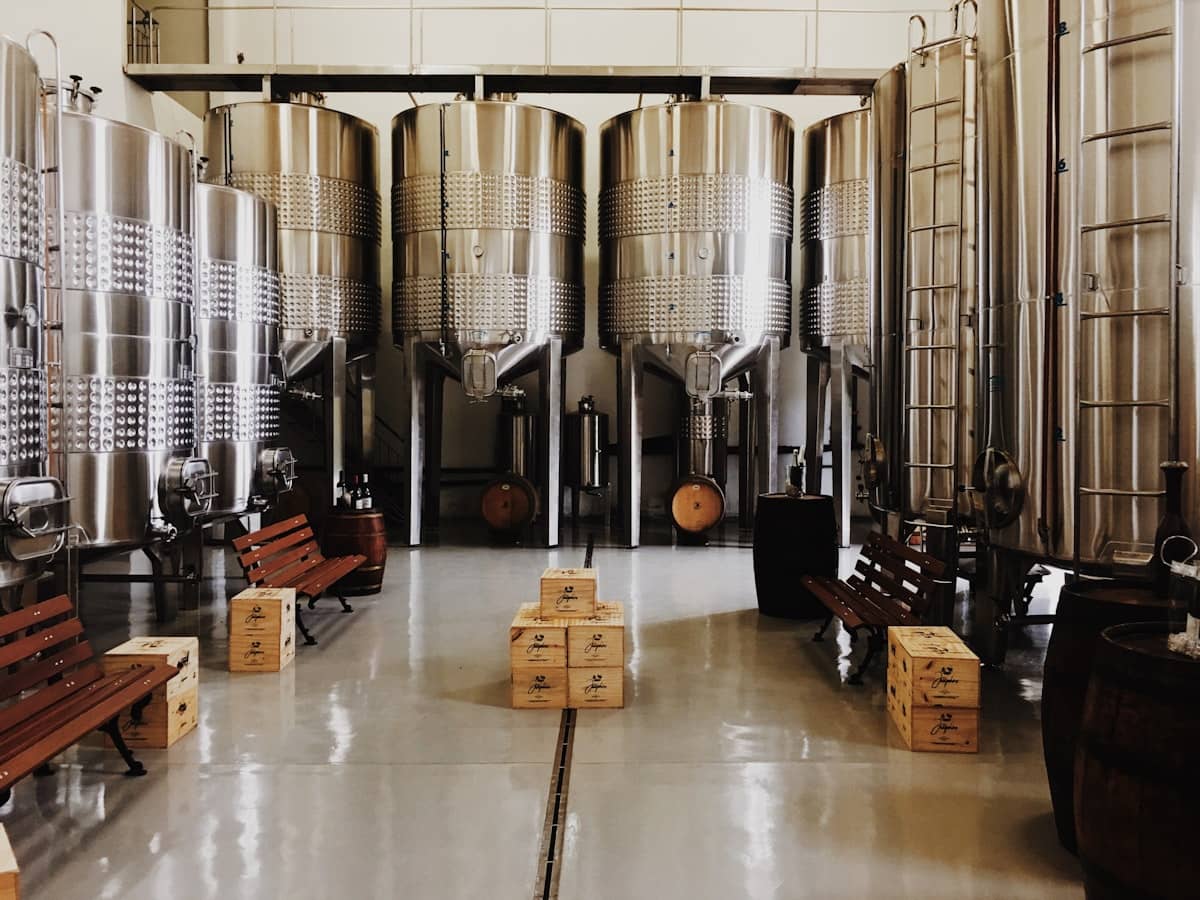
Brewing involves a number of steps from malting, to fermentation and filtration. To brew any kind of beverage, you’ll need to have the right ingredients and equipment. It’s important to do your research and gather whatever materials you’ll need prior to starting your brewing company.
Even if you’ve already been brewing as a hobby before, brewing for commercial purposes will demand a different standard altogether. So, you’ll need to make sure your brewing space and equipment check all the right boxes prior to getting started.
Do I Need A Licence To Start A Brewing Company?
As we mentioned above, brewing for commercial purposes demands a very different standard. This standard stems from legal regulations protecting consumer goods. As a brewing company, you will need to adhere to these regulations and attain the relevant licences prior to starting your company.
The Food Standards Australia New Zealand (FSANZ) Code details the food and drink safety measures your brewing company will need to follow. The code has a requirement for a food safety plan, which is a comprehensive guide that details how your brewery plans on managing food safety risks. It’s imperative to properly understand your obligations under FSANZ and create your food safety plan accordingly.
Next, you will need to have the right food business registration and alcohol licences (if you’re brewing an alcoholic beverage). Food business registration is generally a local council requirement, therefore it might differ from region to region. Doing some research and finding out what the requirements are for your specific locality is the way to go.
You may also need to get a producer/wholesaler licence, which is required to legally make and sell alcoholic drinks. Separately, a liquor licence might also be necessary – both these licences are regulated by regional law. It’s a good idea to do your research and get the proper licences. Alternatively, you can chat with a legal expert and they can help you get the right licences for your brewing company.
How Do I Register My Brewing Company?
Gathering the right materials and making sure you have the correct licence and permits are all important parts of starting a brewing company. However, the first official step to launch your brewing company is to register your company.
In New Zealand, all companies are registered with the New Zealand Companies Office. Registering a company can be a bit complex, especially if you're unfamiliar with navigating their various forms and regulations. As such, we always recommend getting the help of a legal expert when registering your company.
Company registration isn’t just any application.The choices made during the registration process will help set the course for your brewing company's future. To set up a company, you are required to determine the legal structure of your company, how it will be governed and who the officeholders will be. All of these decisions will have a major impact on the future direction of your company, so it’s a good idea to have expert help when going through this process.
What Legal Documents Will I Need For My Brewing Company?
Properly setting up your company, adhering to regulations and obtaining the necessary licences are all part of running a legally compliant brewing company. However, having the right legal documents is just as crucial.
When utilised correctly, legal documents protect your brewing company’s interests, secure its rights, help limit liabilities, establish streams of revenue and much more. In order for business operations to run smoothly, well drafted legal documents are a necessity.
It’s important to chat with a legal expert about the exact legal documents your brewing company will need. For now, we’ve listed a few you might want to think about getting.
Distribution Agreement: If you plan on engaging a distributor to sell your product, then it’s important to be on the same terms as them through a contract.
Supply Agreement: Suppliers deliver the necessary goods needed to make your beverages, so it's important to know where both parties stand regarding matters such as delivery dates, time, products, payments and liabilities.
Non-Disclosure Agreement: Trade secrets and business operations need to be kept confidential, you’ll need an NDA to keep important information secure.
Employment Agreement: When you hire staff to work in your brewing company, it’s essential to have a contract with them detailing their rights and responsibilities in the workplace,
Privacy Policy: A privacy policy is a legal requirement if your brewing company’s website plans on collecting any kind of personal information off its users – yes, even if it is just an email address.
Disclaimer: When you sell a product (especially one that has alcohol), disclaimers are necessary to limit your liability from matters that are out of your control. I.e. if someone decides to use your product in a way that is harmful to themselves.
Are There Any Other Legal Considerations For Starting A Brewing Company?
When it comes to starting a company, legal considerations are prevalent every step of the way. We’ve listed a few key legal considerations however, we haven’t covered them comprehensively. For instance, food and product safety regulations are just one aspect of consumer law you will need to pay attention to.
As the owner of a brewing company, you’ll need to be on top of all your legal obligations. These obligations range from data and privacy protection to adhering to advertising standards. Keep in mind that every company is different therefore, the exact regulation that applies to each company will depend on their unique circumstances. It’s wise to chat with a legal expert about the laws your brewing company will need to follow and the best way to be legally compliant.
Next Steps
A brewing company can be a great new business endeavour however, it's important to make sure your company's legals are in order. To summarise what we’ve discussed:
- Starting a brewing company involves understanding and adhering to various legal regulations and obtaining necessary licences, such as food business registration and alcohol licences
- Register your company with the New Zealand Companies Office and determine its legal structure, governance, and officeholders
- Develop a food safety plan in compliance with the Food Standards Australia New Zealand (FSANZ) Code, addressing food safety risks in your brewing process
- Obtain essential legal documents like Distribution Agreements, Supply Agreements, Non-Disclosure Agreements, Employment Agreements, Privacy Policies, and Disclaimers to protect your company's interest
- Ensure your brewing space and equipment meet the required standards for commercial production
- Each brewing company may face unique legal obligations, so it's important to consult with legal experts to ensure comprehensive compliance
- Proper legal preparation can protect your brewing company and facilitate smooth business operations
If you would like a consultation on starting a brewing company, you can reach us at 0800 002 184 or team@sprintlaw.co.nz for a free, no-obligations chat.

Sapna Goundancontent writer