Sapna is a content writer at Sprintlaw. She has completed a Bachelor of Laws with a Bachelor of Arts. Since graduating, she has worked primarily in the field of legal research and writing, and now helps Sprintlaw assist small businesses.
Contents
Starting a laundromat business in New Zealand can cost well over $100,000 once you add machines, fitout, payment systems, insurance, legal setup and working capital. There's usually no single nationwide laundromat licence, but you still need the right business structure, council and utility checks, customer terms, privacy processes and employment systems before you open.
A laundromat can be a strong local business because people need reliable washing and drying services all year round. The catch is that a laundromat isn't truly passive. Your setup choices, machine maintenance, customer rules, safety systems and contracts will do a lot of the heavy lifting once the doors open.
What Is A Laundromat Business?
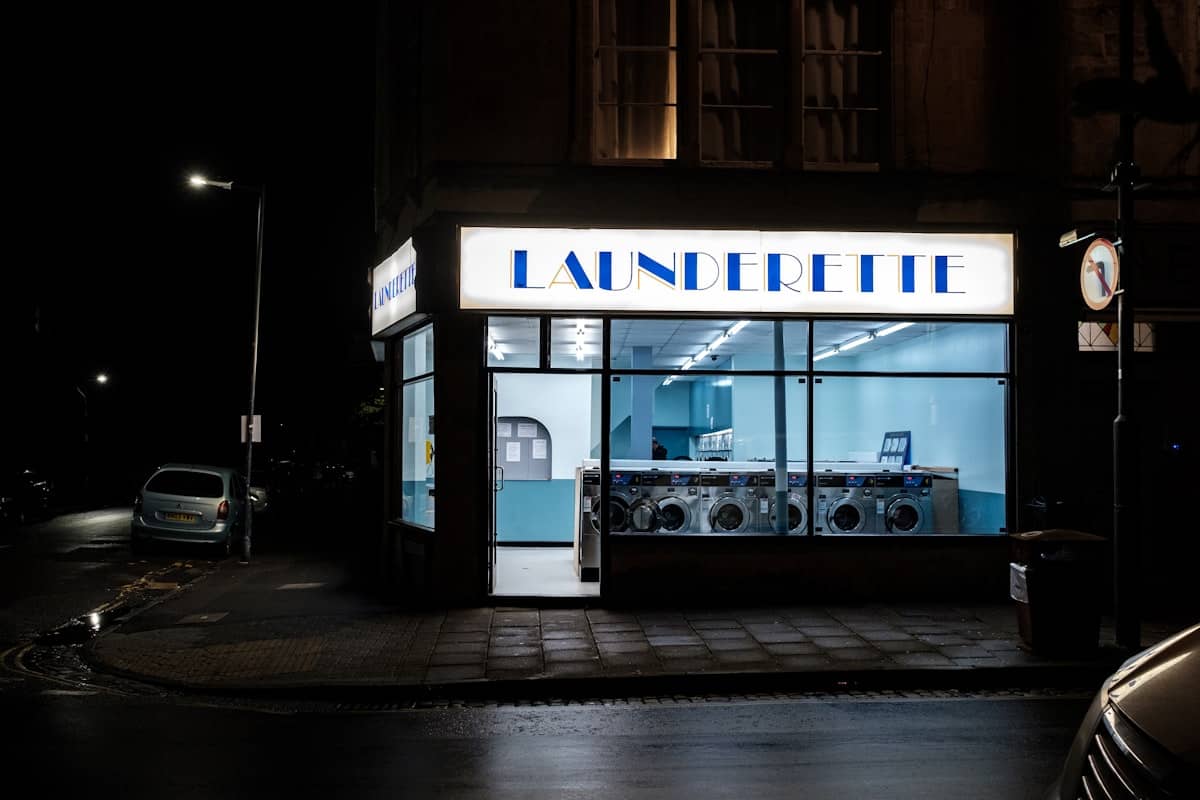
A laundromat business is a place where customers use self-service washing machines and dryers. Some laundromats still use coins, but many now use card, app-based or kiosk payment systems so customers can pay without cash.
Most laundromats offer washing and drying as the core service. You might also offer wash and fold, commercial laundry for local businesses, ironing, alterations, pickup and delivery, or dry cleaning drop-off. Each extra service can create more revenue, but it can also add staffing, storage, insurance, customer complaint and compliance issues.
For example, a simple unattended laundromat mainly needs clear customer terms, safe premises, reliable machines, CCTV and a maintenance plan. A serviced laundry that handles customers' garments for them also needs clearer liability rules, staff training, item tracking and procedures for lost, damaged or delayed laundry.
How Much Does It Cost To Open A Laundromat In NZ?
The cost of setting up a laundromat in NZ depends heavily on your site, number of machines, fitout, plumbing, electrical capacity, water heating, payment system and whether you're independent or joining a franchise. A small setup may still require a six-figure budget once you factor in commercial-grade equipment and installation.
The common cost areas include:
- Commercial washers and dryers: These are usually the largest upfront cost. Compare capacity, warranties, service response times, spare parts availability and energy efficiency.
- Fitout and services: Plumbing, drainage, electrical upgrades, ventilation, gas connections, water heating, flooring, signage and security can add up quickly.
- Payment systems: Coin boxes may be cheaper at the start, but cashless systems can reduce cash handling and improve reporting. Check transaction fees and data handling.
- Premises costs: Rent, outgoings, bonds, fitout approvals and make-good obligations can materially affect your cash flow. Get property advice before you commit to premises documents.
- Insurance: You may need public liability, property, machinery breakdown, business interruption, cyber cover and employee-related insurance, depending on your model.
- Legal, accounting and setup costs: This includes company setup, contracts, employment documents, privacy compliance and tax systems.
- Working capital: Keep funds aside for utilities, repairs, marketing, wages, consumables and slower early months.
Here is a practical example. Mina wants to open a compact neighbourhood laundromat with six washers and six dryers. Her supplier quotes $66,000 for washers, $48,000 for dryers, $12,000 for a cashless payment system, and $75,000 for plumbing, electrical work, ventilation, signage and fitout. After CCTV, furniture, opening stock, insurance, legal setup, marketing and working capital, her starting budget is about $249,000 before GST treatment and site-specific premises costs.
That number isn't a universal benchmark. It shows why a laundromat business plan needs more than a simple equipment list. Ask suppliers for current written quotes, confirm utility upgrade costs early and speak with an accountant about GST, depreciation and cash flow.
Laundromat Franchise NZ Or Independent Business?
If you're searching for a laundromat franchise in NZ, you're probably weighing up the support of a known system against the freedom of starting independently. Neither option is automatically better. The right choice depends on your budget, experience, location, growth plans and how much control you want over branding and operations.
A laundromat franchise may give you access to a brand, supplier network, fitout model, operating manual, training, technology and marketing support. In exchange, you may pay upfront fees, ongoing royalties or marketing contributions, and you may have limits on suppliers, territories, opening hours, pricing and branding.
New Zealand doesn't have one dedicated franchise statute that works like some overseas franchise codes. However, franchise arrangements are still regulated by general laws, including the Fair Trading Act 1986, the Contract and Commercial Law Act 2017, the Companies Act 1993 where companies are involved, and the Consumer Guarantees Act 1993 where consumer services are supplied. If the franchisor is a member of the Franchise Association of New Zealand, its Code of Practice may also apply contractually.
Before joining a laundromat franchise, look closely at:
- Initial fees, royalties, marketing levies and technology fees
- What support is promised before and after opening
- Whether you get an exclusive territory or any protection from nearby sites
- Approved suppliers and whether you must buy equipment or consumables from them
- Length of term, renewal rights and what happens at the end
- Exit restrictions, restraints of trade and brand rules
- What financial information is provided and whether it's supported by evidence
If you start independently, you have more control over suppliers, brand, customer experience and pricing. You'll also need to build your own systems from scratch, including customer terms, equipment maintenance processes, privacy notices, staff training and marketing.
What Should Go In A Laundromat Business Plan?
A strong laundromat business plan helps you test whether the numbers and operations make sense before you sign contracts, buy equipment or spend heavily on fitout. It's also useful when speaking with banks, investors, suppliers and accountants.
Your plan should cover:
- Customer And Location Strategy: Identify your target customers, such as apartment residents, students, tourists, workers, sports clubs or local businesses.
- Services And Pricing: Set out wash, dry, wash and fold, commercial laundry or delivery options, and how you'll price them.
- Equipment Plan: List machine sizes, quantities, suppliers, warranties, servicing response times and expected useful life.
- Setup Budget: Include fitout, utilities, payment systems, legal setup, insurance, opening stock and contingency.
- Operating Budget: Estimate rent, utilities, loan repayments, staff, repairs, consumables, insurance, marketing and software.
- Compliance Plan: Note council requirements, health and safety, customer terms, privacy, employment and consumer law obligations.
- Marketing Plan: Cover signage, local SEO, Google Business Profile, referral partners, launch offers and reviews.
- Risk Plan: Think about machine breakdowns, water leaks, customer injuries, payment outages, theft, data breaches and staffing gaps.
It's also worth preparing best case, expected case and cautious case forecasts. For instance, if Mina's expected weekly revenue is $6,000 but her cautious case is $3,800, she can test whether she still covers utilities, rent, servicing, wages and loan repayments in slower weeks.
If you're still shaping the idea, a create a business plan process can help you put the key decisions in one place.
How Do I Register A Laundromat Business?
Your registration steps depend on your business structure. In New Zealand, a sole trader can often start without incorporating a company, but you still need to manage tax, invoicing, records, any trade marks, permits and industry obligations. A company must be registered with the Companies Office and will receive an NZBN.
The most common structures are sole trader, partnership and company. If you're unsure which structure fits your goals, our business structure decision tool can help you compare the starting point.
Sole traders are simple to start and run. You use your own IRD number, can apply for a NZBN if you want one, and report business income personally. The downside is that you're personally responsible for business debts and liabilities.
Partnerships can suit two or more people running a business together, but they need a written partnership agreement. Without one, disagreements about money, exits and decision-making can become expensive and disruptive. Partners may also be personally responsible for partnership obligations.
Companies are often the preferred structure for a serious laundromat business because they create a separate legal entity. For more legal protection, it's better to register your laundromat business as a company. A company can own contracts, employ staff and enter supplier arrangements in its own name. Shareholders generally have limited liability, although directors still have duties under the Companies Act 1993 and may give personal guarantees for some obligations.
As we noted above, registering a company involves choosing a name, appointing directors, issuing shares, keeping company records and understanding ongoing Companies Office obligations. For more information on the process of setting up a company, you can check out our article, Steps To Incorporate Your Small Business In New Zealand.
You should also speak with an accountant about GST. In New Zealand, you generally need to register for GST if your taxable supplies are more than $60,000 in any 12-month period, or are expected to be more than $60,000 in the next 12 months. If you employ staff, you'll also need PAYE, KiwiSaver and payroll records.
What Legal Documents Does A Laundromat Need?
The right legal documents help set expectations before something goes wrong. For a laundromat, the most useful documents usually cover customers, staff, suppliers, confidentiality, privacy and ownership between founders.
Customer Contracts: Your customer terms should explain how customers can use machines, what they're responsible for, how refunds work, when you may remove abandoned items, and what happens if clothing is damaged because a customer ignored instructions. The terms should be easy to find on your website, app, kiosk and in-store signage.
A practical customer terms outline could include:
- Who The Terms Apply To: Identify your business and the customers using your machines, app or serviced laundry.
- Services Offered: Describe self-service washing, drying, wash and fold, commercial laundry or other services.
- Customer Responsibilities: Cover checking pockets, following care labels, not overloading machines and using approved products.
- Payment, Refunds And Credits: Explain pricing, failed cycles, machine faults, refunds and store credits.
- Lost, Damaged Or Abandoned Items: Set a process for reporting issues and handling items left behind.
- Safety And Prohibited Items: Ban flammable, hazardous, contaminated or unsuitable items.
- Liability Limits: Set fair limits that are consistent with the Consumer Guarantees Act and Fair Trading Act.
- Privacy And CCTV: Tell customers where to find your privacy information and why CCTV may be used.
A legal team should tailor these terms to how your laundromat actually operates, especially if you handle garments for customers rather than only providing machines.
Employment Agreement: Every employee must have a written employment agreement. It should cover duties, hours, pay, breaks, leave, probation or trial period rules where lawful, health and safety, confidentiality and workplace policies. You also need to comply with the Employment Relations Act 2000, the Holidays Act 2003, minimum employment standards and record-keeping obligations.
If you use contractors for cleaning, machine servicing, delivery or overflow work, check the contractor relationship carefully. The written contract should match how the work happens in practice, including control, independence, tools, hours and ability to work for others.
Non-Disclosure Agreement (NDA): An NDA can protect confidential information when speaking with investors, suppliers, franchise networks, software providers or potential business partners.
Privacy Policy: If you collect names, emails, phone numbers, payment details, app data, CCTV footage or personal information about commercial customers or their contacts, such as sole trader details, names, emails, phone numbers or account information, you need privacy processes that comply with the Privacy Act 2020. It doesn't usually apply to purely corporate information that doesn't identify a person. A privacy policy should explain what you collect, why you collect it, who you share it with, how people can access or correct it, and how to contact you.
You may also need supplier agreements, equipment maintenance contracts, software terms, shareholder agreements and workplace policies. A short legal health check can help you prioritise what matters most before launch.
What Laws And Compliance Rules Apply?
A laundromat touches several areas of New Zealand law. The key is to build compliance into your setup instead of trying to fix it after opening.
Consumer Guarantees And Fair Trading
Customers have rights under the Consumer Guarantees Act 1993. Your services must be carried out with reasonable care and skill, be fit for purpose where the customer makes that purpose known, and be provided within a reasonable time if no time is agreed. You can't contract out of these guarantees for ordinary consumer customers.
The Fair Trading Act 1986 also matters. Your pricing, advertising, opening offers, franchise claims, eco-friendly statements and refund signs must not be misleading or deceptive. If you use standard form customer terms, avoid unfair contract terms, especially terms that let you avoid all responsibility even when your machine or service caused the problem.
Local Council, Utilities And Safety
There's usually no single national laundromat licence. However, your local council and utility providers may have requirements around zoning, building work, signage, wastewater, trade waste, noise, ventilation, fire safety and hours of operation. Commercial laundry equipment can put heavy demand on water, drainage, electricity and gas, so confirm capacity before you commit to a site.
If you plan to play music or have a TV with music, check whether you need a OneMusic licence. If you add dry cleaning, chemical handling or industrial-scale commercial laundry, extra environmental and hazardous substance rules may apply.
Health And Safety
Under the Health and Safety at Work Act 2015, you must manage risks to workers, contractors, customers and visitors so far as reasonably practicable. Laundromat risks include hot surfaces, slips, water leaks, heavy lifting, electrical faults, gas issues, chemicals, confined plant areas, late-night safety and aggressive customer behaviour.
Practical controls include clear machine instructions, non-slip flooring, spill procedures, emergency shut-offs, regular equipment servicing, incident records, staff training, safe chemical storage and visible contact details for faults.
Privacy And CCTV
CCTV is common in laundromats, especially unattended ones. Under the Privacy Act 2020, you should only collect personal information for a lawful purpose connected with your business, tell people what you're collecting and why, keep it secure, and avoid keeping footage longer than necessary.
If a privacy breach is likely to cause serious harm, you must notify the Privacy Commissioner as soon as practicable and generally notify affected individuals unless an exception applies. This can include some cyber incidents, lost customer records or unauthorised access to payment or account information.
Employment And Payroll
If you employ attendants, cleaners, drivers or customer service staff, you must provide written employment agreements, pay at least the current minimum wage, keep wage and time records, provide rest and meal breaks, manage leave correctly under the Holidays Act 2003, and act in good faith. Check current rates and payroll rules before hiring, as they can change.
Key Takeaways
- Starting a laundromat in New Zealand can cost well over $100,000, so build a detailed budget for equipment, fitout, utilities, payment systems, insurance, legal setup and working capital.
- A laundromat franchise can offer systems and brand support, but you need to review fees, territory, supplier restrictions, renewal rights and restraints before signing.
- Your business structure matters. Companies are common for laundromats because they create a separate legal entity, but directors still have legal duties.
- Customer terms, employment agreements, privacy documents, supplier contracts and founder agreements can reduce risk and make daily operations clearer.
- Compliance is broader than registration. Check consumer law, council and utility requirements, health and safety, privacy, payroll and GST early.
- Build your laundromat around practical systems, including machine maintenance, refund handling, CCTV notices, staff training and clear customer instructions.
If you'd like help with setting up your laundromat company, customer terms, employment agreements or privacy compliance, you can reach us at 0800 002 184 or team@sprintlaw.co.nz for a free, no-obligations chat.

Sapna Goundancontent writer