
Alex is a co-founder of Sprintlaw and an Australian-qualified lawyer (not admitted in New Zealand). Alex previously worked at a top-tier firm as a lawyer specialising in technology and media contracts, and founded a digital agency which he sold in 2015.
Contents
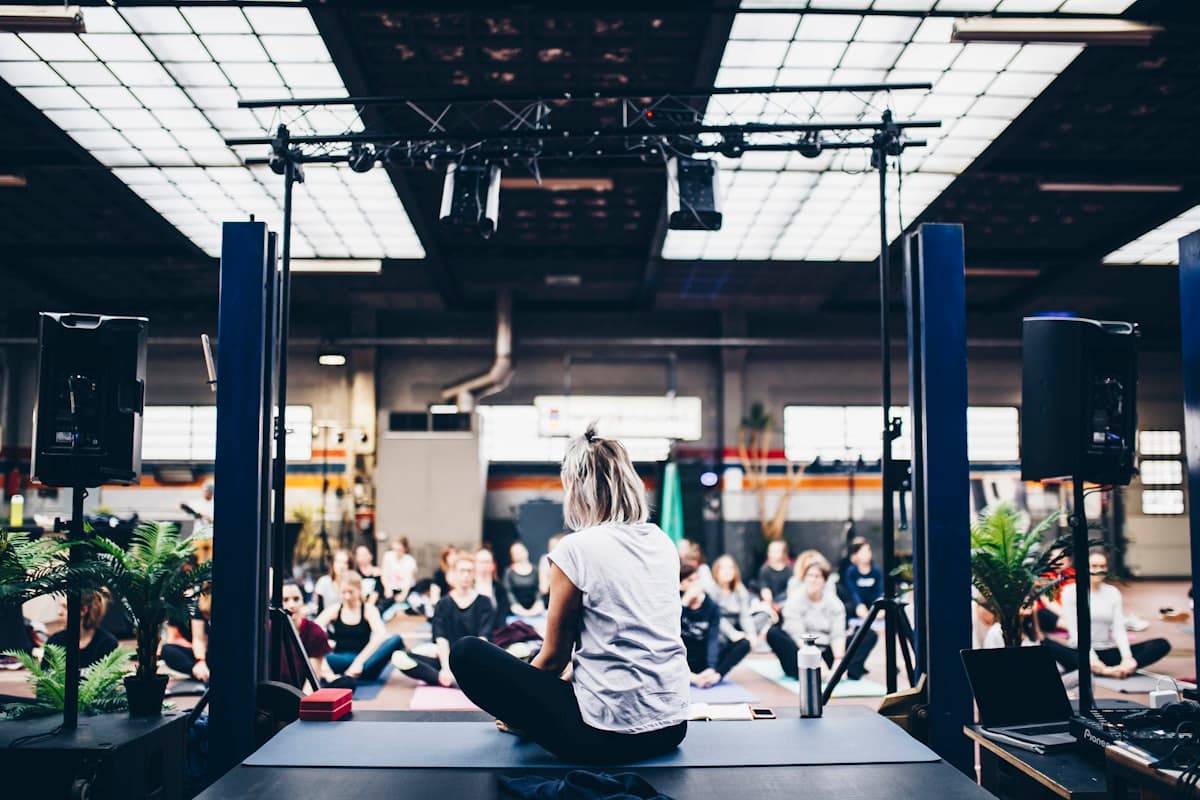
Starting a Pilates business in New Zealand can be a great move if you’re passionate about movement, wellbeing, and building a community. Whether you’re planning a boutique studio, a home-based setup, a mobile instructor service, or an online platform, the demand for Pilates (and quality instructors) is strong.
But before you book out your first timetable and sign up members, it’s worth slowing down and getting your legal foundations right. The way you set up your business, the promises you make in your marketing, the contracts you use with clients and instructors, and your health and safety processes all matter.
This guide walks you through the legal essentials for starting a Pilates business in New Zealand, including common approvals you may need to consider, health and safety, consumer law, privacy, and the key legal documents that can help protect you from day one.
What Business Model Are You Starting (And Why It Matters Legally)?
When people look into starting a Pilates business in New Zealand, they’re often thinking about the studio itself. But legally, a “Pilates business” can look very different depending on how you operate.
Your model impacts what you need to do around leases, council requirements, insurance, staffing, and risk management.
Common Pilates Business Setups
- Studio-based Pilates (reformer and/or mat) with a commercial premises and scheduled classes
- Home-based studio (a dedicated room/garage space with client visits)
- Mobile instructor (you travel to clients, corporate sites, gyms, or shared spaces)
- Online Pilates memberships (video content, subscriptions, live classes)
- Rent-a-room / shared wellness clinic (you operate inside a physiotherapy/chiropractic/wellness space)
Each model brings slightly different legal risks. For example:
- If clients visit your premises, your health and safety obligations and premises-related risk generally increase.
- If you run memberships online, privacy, consumer law, and subscription terms become more important.
- If you rent space, the lease terms can make or break your cashflow (and your ability to exit later).
If you’re still deciding on the setup, it can help to map your idea first and then choose a structure, premises, and documents that match.
How Do I Set Up The Business Properly (Structure, Name, And Registrations)?
One of the first legal decisions when starting a Pilates business in New Zealand is choosing your business structure. This affects tax, liability, admin, and how easy it is to bring on investors or business partners later.
Sole Trader vs Company vs Partnership
Here’s the usual breakdown:
- Sole trader: simple and low-cost to start, but you’re personally liable for the business’s debts and many legal risks.
- Company: a separate legal entity (often better for managing risk and for growth), but comes with more setup and ongoing compliance.
- Partnership: two or more people operating together, but it’s essential to document the arrangement clearly to avoid disputes.
If you set up a company, it’s also worth thinking about your internal rules early (especially if there’s more than one owner). A tailored Company Constitution can help clarify decision-making and reduce headaches as the business grows.
Business Name And Branding
At a minimum, you’ll want to:
- Check your name is available (and not confusingly similar to someone else’s)
- Secure domain names and social handles early
- Consider trade mark protection if you’re building a brand you want to scale
Name disputes are more common than people expect. If you’re investing in signage, fit-out, and social marketing, it’s worth checking your brand position early rather than rebranding later.
Tax And Other Registrations
Depending on your revenue and setup, you may need to:
- Register for GST (if you expect to exceed the threshold)
- Set up payroll systems if you’re hiring employees
- Register as an employer and manage PAYE/KiwiSaver if applicable
These steps aren’t Pilates-specific, but they’re important for your setup. (This article is general legal information only and isn’t tax or accounting advice - it’s a good idea to speak to an accountant about GST, PAYE, KiwiSaver and record-keeping for your specific circumstances.)
Do I Need Any Licences Or Council Permits To Start A Pilates Studio?
There isn’t usually a single “Pilates licence” in New Zealand. However, depending on where and how you operate, you may need approvals (for example, building or signage approvals) and you’ll need to comply with local council requirements and planning rules.
This is the part where doing a quick compliance check can save you from costly delays (or being forced to stop operating).
Commercial Premises: Zoning, Building Use, And Fit-Out
If you’re leasing a studio space, you’ll want to confirm the premises can legally be used for fitness/wellness activities. Common issues include:
- district plan/zoning rules and any permitted-use conditions that apply to the site
- building and fire safety requirements, especially if you’re changing the use of the space or doing a fit-out (for example, changing rooms or showers)
- access and facilities requirements that may apply under building rules, depending on the nature of the premises and any building work
- maximum occupancy and emergency exit requirements
Practically, you’ll also want your lease to match your business model. A careful Commercial Lease Review can help you understand make-good obligations, rent increases, outgoings, and whether you can assign or exit if the studio isn’t the right fit.
Home-Based Pilates Businesses
If you’re running Pilates sessions from home, it’s important to check:
- local council rules about running a business from a residential property (often around signage, parking, noise and client numbers)
- any body corporate rules (if you’re in an apartment or unit complex)
- your landlord’s consent (if you rent)
- parking, noise, and client traffic expectations
Home setups are common and totally workable, but it’s worth checking early so you don’t build your business around a setup you’re not allowed to run long-term.
Music Licensing (If You Play Music In Class)
If your studio plays music during classes (especially in a way that goes beyond personal listening), there may be licensing considerations. The rules can depend on the music source and how it’s used, so it’s worth confirming what applies to your situation.
Signage And Local Rules
Some councils regulate signage types, placement, and size. If you’re planning a street-facing studio, check the council requirements (and your lease terms) before spending money on signage.
Because approvals and rules can vary between councils (and sometimes between properties), it’s a good idea to confirm requirements in the area you’ll operate in, especially before you sign a lease or start renovations.
What Health And Safety Rules Apply To Pilates Businesses?
Pilates is generally low-risk compared to some sports, but it’s not “no risk”. Clients can still get injured, slip on equipment, aggravate pre-existing issues, or have medical episodes during exercise.
In New Zealand, businesses have duties under the Health and Safety at Work Act 2015. In simple terms, you must take reasonably practicable steps to keep people safe.
Who Do You Owe Duties To?
Your duties can extend to:
- clients attending sessions
- employees (if you hire staff)
- contractors (such as instructors, cleaners, maintenance providers)
- other people in the workplace (e.g. visitors, delivery drivers)
Practical Health And Safety Steps For Pilates Studios
To reduce risk (and show you’re taking your duties seriously), consider:
- Equipment maintenance: reformers, straps, springs, and mats should be regularly inspected and maintained.
- Safe class sizes and supervision: overcrowding can create avoidable hazards and reduce supervision quality.
- Client screening: health questionnaires and intake processes (with privacy handled correctly).
- Clear instructions and modifications: especially for beginners, pregnancy, injury, or mobility limitations.
- Hazard management: trip hazards, wet floors, heavy equipment handling, and emergency exits.
- Incident reporting: a process for recording injuries or near-misses and improving procedures.
Do Waivers Replace Health And Safety Duties?
A common misconception is that if you have a waiver, you’re “covered”. In reality, a waiver can help manage certain legal risks and set expectations, but it doesn’t cancel your health and safety obligations.
Also, a waiver won’t let you contract out of consumer protection laws (including the Consumer Guarantees Act 1993) in most standard consumer situations, and it can’t protect you from liability for misleading marketing under the Fair Trading Act 1986.
If you’re using a waiver (for example, to explain risks and confirm clients are medically fit to participate), it needs to be properly drafted for your business. A generic template can leave gaps that don’t help you when it matters. Where appropriate, a tailored Waiver can be part of your overall risk strategy.
What Laws Apply To Your Advertising, Pricing, Refunds And Memberships?
When you’re excited about launching, it’s easy to focus on marketing first. But consumer law is one of the biggest legal areas for studios and subscription businesses.
Most Pilates businesses must comply with the Fair Trading Act 1986 (misleading conduct, marketing claims, pricing) and the Consumer Guarantees Act 1993 (quality of services provided to consumers).
Marketing Claims: Be Careful With “Results” Language
Pilates marketing often includes statements about injury recovery, pain reduction, posture improvements, or “guaranteed” transformation.
You can absolutely talk about benefits, but be careful about:
- over-promising outcomes (especially “guarantees”)
- implying medical treatment if you’re not providing regulated health services
- before-and-after claims that can’t be substantiated
A good rule of thumb is: if you wouldn’t feel comfortable defending the claim with evidence, don’t publish it.
Membership Terms, Cancellations, And Freezes
If you offer memberships (weekly direct debit, class packs, subscriptions, introductory offers), make sure the rules are clear upfront. Common disputes happen when clients don’t understand:
- minimum terms and renewal rules
- how to cancel (and how much notice they must give)
- freeze policies for travel, illness, or injury
- expiry rules for class packs
- what happens if you cancel a class or change instructors
It’s much easier to avoid arguments than to win them later. This is where well-drafted Business Terms can make a real difference to cashflow and customer relationships.
Online Bookings And Website Terms
If you take bookings and payments online, you’re likely forming contracts electronically every day (often without realising it). Your website should clearly set out:
- what the customer is buying
- pricing and payment rules
- late cancellation/no-show fees (and when they apply)
- refund rules (aligned with consumer law)
- conduct rules (for safe and respectful classes)
Depending on your setup, Website Terms and Conditions can help you set the ground rules clearly and consistently.
What Legal Documents Do I Need When Starting A Pilates Business?
Legal documents are where you turn “how you run your studio” into something enforceable and scalable. They also help prevent awkward conversations later because the expectations are already written down.
Here are some of the most common documents to consider when starting a Pilates business in New Zealand.
Client-Facing Documents
- Membership terms / studio terms: cancellation, booking rules, fees, expiry, studio policies.
- Liability waiver / acknowledgement of risk: particularly for reformer classes, pregnancy classes, or higher-intensity programs.
- Privacy documentation: if you collect health details, injury history, or even basic client contact information.
If you collect personal information (which most studios do through booking software, intake forms, and mailing lists), you’ll need to comply with the Privacy Act 2020. A clear Privacy Policy helps explain what you collect, why you collect it, how you store it, and who you share it with (if anyone).
Instructor And Staff Documents
Many Pilates businesses start with one instructor (you), then grow into a team. At that point, it becomes critical to document whether instructors are employees or contractors, and what the rules are.
- If you hire employees, you’ll usually need an Employment Contract that reflects hours, pay, leave, and workplace expectations.
- If you engage instructors as contractors, you’ll want a proper contractor agreement that covers payment, IP, confidentiality, client relationships, and termination.
Misclassifying employees as contractors can create serious risk (including employment disputes and tax issues), so it’s worth getting advice early if you’re unsure which model fits.
Commercial Premises And Supplier Documents
- Commercial lease: rent, outgoings, term, renewals, permitted use, assignment, make-good.
- Supplier agreements: equipment supply/maintenance, cleaning, software providers.
- Space-sharing arrangements: if you operate inside another wellness clinic or gym, document the terms clearly (fees, access, booking systems, responsibility for clients on site).
Co-Founders And Business Partners
If you’re going into business with a partner (or bringing someone on later), don’t rely on good intentions alone. Pilates businesses are personal and client relationships are valuable, so disputes can get messy fast.
If you’re operating through a company with multiple owners, a Shareholders Agreement can cover key issues like:
- who owns what (and what happens if someone wants to leave)
- how decisions are made
- what happens if someone stops working in the business
- how shares can be sold or transferred
- deadlock and dispute processes
This is one of those “you’ll be glad you did it early” documents, especially if you expect to grow.
Key Takeaways
- When starting a Pilates business in New Zealand, your legal setup should match your business model (studio, home-based, mobile, or online), because each comes with different risks and requirements.
- Choose the right structure early (sole trader, partnership, or company) because it affects liability, tax, and how you can grow the business over time.
- You may not need a “Pilates licence”, but you may need to meet local council requirements and, depending on the premises and any building work, obtain relevant approvals (for example for fit-out or signage).
- Health and safety obligations under the Health and Safety at Work Act 2015 still apply to Pilates studios, even if you use waivers or disclaimers.
- Your marketing, memberships, cancellations, and refund processes should align with the Fair Trading Act 1986 and Consumer Guarantees Act 1993 to avoid disputes and complaints (and waivers generally can’t contract out of those obligations for consumer services).
- Strong legal documents (membership terms, waivers, staff/contractor agreements, privacy documents, and business partner agreements) help protect you from day one and make it easier to scale.
If you’d like help with starting a Pilates business, including getting the right documents in place or reviewing a lease before you sign, you can reach us at 0800 002 184 or team@sprintlaw.co.nz for a free, no-obligations chat.