
Alex is a co-founder of Sprintlaw and an Australian-qualified lawyer (not admitted in New Zealand). Alex previously worked at a top-tier firm as a lawyer specialising in technology and media contracts, and founded a digital agency which he sold in 2015.
Contents
- What Is A Talent Release Form (And Why Does It Matter)?
What Should A Talent Release Form Include?
- 1. Who The Parties Are
- 2. What’s Being Recorded (And Where/When)
- 3. The Rights You’re Getting (Usage Permissions)
- 4. Editing, Alterations And “Reputation” Concerns
- 5. Payment Terms (Or Confirmation It’s Unpaid)
- 6. Warranties And Promises From The Talent
- 7. Termination, Takedowns And “What If Something Goes Wrong?”
- Talent Release Forms vs Model Release Forms (And Other Common Documents)
- Key Takeaways
If you’re a small business creating marketing content in New Zealand, there’s a good chance you’ll work with “talent” at some point - models, actors, presenters, influencers, voiceover artists, musicians, or even real customers appearing in your footage.
It’s exciting (and it can be a huge growth lever). But if you don’t lock down the legal permissions properly, you can end up in a messy situation: content that can’t be used, takedown requests, disputes about payment or ownership, or reputational issues that could’ve been avoided.
That’s where talent release forms (often searched as “talent release forms in New Zealand”) come in. A well-drafted talent release form helps you get clear permission to record and use someone’s image, voice, performance or other contributions - and it helps reduce the risk of a disagreement later.
Below, we’ll break down what a talent release form is, when you need one, what it should include, and the key New Zealand legal issues to keep in mind. This article is general information only and not legal advice.
What Is A Talent Release Form (And Why Does It Matter)?
A talent release form is a written agreement where a person (the “talent”) gives you permission to record them and use the recording in specified ways.
In practice, it’s commonly used for:
- TV commercials, online video ads and social media campaigns
- Brand shoots (photos for websites, packaging, brochures, posters)
- Video content for TikTok/Instagram/YouTube
- Voiceovers for ads, podcasts, explainer videos or phone systems
- Customer testimonials and case study videos
- Event filming (where specific people are featured, interviewed or highlighted)
From a business perspective, the main value is certainty. A clear release form helps you answer the questions that actually matter in day-to-day marketing:
- Can we post this content on our website and social media?
- Can we use it in paid ads?
- Can we edit it, cut it down, add captions, or combine it with other footage?
- Can we keep using it next year (or five years from now)?
- Can we give it to our agency or media buyer to use for campaigns?
If you don’t have a proper agreement and a dispute comes up later, you might need to pull your campaign, re-shoot content, or negotiate from a weak position when time and budget are already under pressure.
Do You Actually Need Talent Release Forms In New Zealand?
Not every business needs a release form for every piece of content - but in many situations, it’s a smart (and often essential) part of being “protected from day one”.
As a general rule, if someone’s identity, voice, or performance is central to your content (or you plan to reuse the content commercially), you should strongly consider using a talent release form.
Common Situations Where You Should Use A Release Form
- Paid advertising: If you’re boosting content, running Meta/Google ads, or using it in a campaign, get a signed release first.
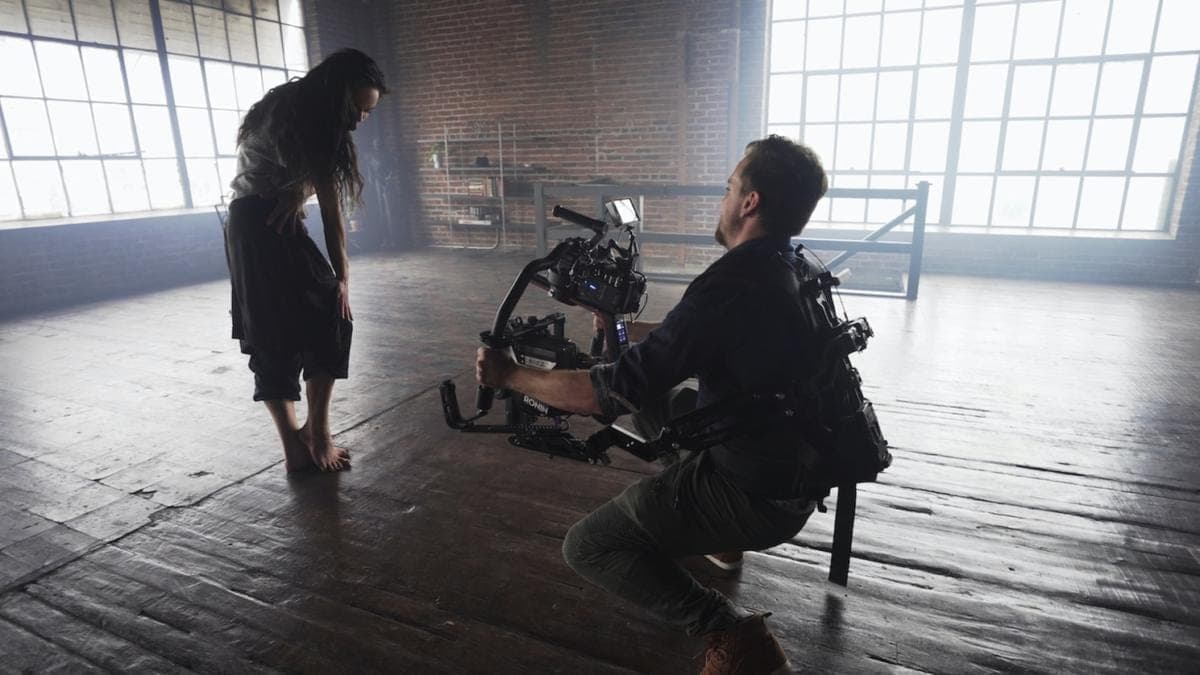
- Professional shoots: If you’ve organised a shoot with a photographer/videographer and talent, a release form is standard practice.
- Ongoing brand use: If the content may end up on your website, packaging, brochures, or evergreen social posts.
- Influencer-style collaborations: Even if the “talent” is a creator, you still want clarity on usage rights (especially if you want to run ads using their content).
- Employees featured in marketing: An employment relationship doesn’t automatically equal marketing permission - it’s safer to document consent clearly.
What About Filming In Public Or At Events?
This is a common grey area for small businesses. If you’re filming generally at an event (or in a public place) and people are only incidentally in the background, you may not always need individual release forms.
But if you are featuring someone (for example, interviewing them, filming a close-up, using them as the “face” of a campaign, or relying on their endorsement/testimonial), a release form is far more important.
Also, be careful about the context. Even in public, there can be privacy and reputational risks depending on what’s filmed and how it’s used - especially where the footage is sensitive (for example, health-related content), involves children, or could reasonably be seen as intrusive. If the event is held at a venue, you may also need the organiser/venue’s permission and clear signage can help set expectations for attendees.
If you’re also collecting or storing personal information as part of the process (names, contact details, payment details, bios, etc.), it’s usually a good time to check your broader privacy settings too, such as having a suitable Privacy Policy in place.
What Should A Talent Release Form Include?
A solid talent release form isn’t just a signature page. It should spell out the deal in plain language so everyone knows what’s allowed - and what isn’t.
While the right terms depend on your campaign and the type of talent you’re using, most talent release forms used by New Zealand businesses will cover the following.
1. Who The Parties Are
Sounds basic, but it matters. The agreement should clearly identify:
- Your business entity (not just a trading name)
- The talent’s full legal name and details
- Where relevant, the talent’s agent/manager (if they’re signing too)
If you’re unsure whether your trading name is properly set up, it’s worth checking whether a trading name needs to be registered and whether your business structure is documented correctly.
2. What’s Being Recorded (And Where/When)
Spell out what the talent is participating in, such as:
- Photo shoot, video shoot, audio recording, livestream
- Location(s) and date(s)
- Whether behind-the-scenes content is included
This helps avoid disputes like “I agreed to the photos, not the video” or “I didn’t agree to that extra day of filming”.
3. The Rights You’re Getting (Usage Permissions)
This is the core of the release form: the permission for your business to use the talent’s contribution.
You’ll usually want clarity on:
- Where the content can be used: website, social media, email marketing, print, out-of-home, TV, streaming platforms
- Whether it can be used in paid ads: often a key point for performance marketing
- Territory: New Zealand only, or worldwide
- Duration: a fixed term (e.g. 6–12 months) or ongoing/perpetual use
- Exclusivity: whether the talent can work with competitors during the campaign period
If you plan to give your agency access to assets or you’re collaborating with another brand, it’s also important to cover whether third parties (like your media buyer or production partner) can use the content for your benefit.
4. Editing, Alterations And “Reputation” Concerns
In real marketing life, you’ll almost always need to edit content - cropping, cutting, colour grading, adding captions, changing audio, remixing, or turning a long-form video into short clips.
A good release form should address whether you can:
- Edit the content (including for different formats)
- Use excerpts or stills grabbed from video
- Combine the talent’s image/voice with other footage, graphics, or text
This is also where you manage reputational risk. In New Zealand, “moral rights” are typically an intellectual property concept that applies to creators/authors of certain works, and won’t always neatly map onto on-camera talent. Practically, the safest approach is to deal with this contractually: set expectations upfront about editing, context, and not using the material in a misleading, defamatory, or otherwise harmful way.
5. Payment Terms (Or Confirmation It’s Unpaid)
If you’re paying the talent, the release form should align with the commercial deal:
- How much you’re paying (and whether it includes GST)
- When payment is due (upfront, on delivery, within X days)
- Whether expenses are covered (travel, accommodation, wardrobe, etc.)
If it’s an unpaid collaboration (for example, gifted product in exchange for content), it’s still important to document what each side is providing. Unclear “mates rates” arrangements are where disputes often pop up.
6. Warranties And Promises From The Talent
It’s common for release forms to include practical assurances from the talent, for example that:
- They have the right to enter into the agreement
- Their performance/content doesn’t infringe someone else’s rights
- They won’t later claim additional payment for agreed usage (unless the agreement says otherwise)
These clauses help reduce legal and commercial risk, especially if the content will be highly visible.
7. Termination, Takedowns And “What If Something Goes Wrong?”
This is the section people often skip - until they need it.
Your release form can deal with situations like:
- What happens if the talent cancels or no-shows
- Whether the talent can withdraw consent later (and on what grounds)
- Whether you have to stop using content if there’s a dispute
- How long you have to remove content if a takedown is agreed
Having these expectations written down can save you a lot of time and stress when a campaign is already live.
Key New Zealand Legal Issues To Keep In Mind
Talent releases sit at the intersection of contract law, privacy, IP, advertising, and sometimes employment law. You don’t need to become a lawyer to handle this well - but you do want to understand the main risk areas.
Contract Law Basics: Make The Agreement Enforceable
A talent release form is essentially a contract. In New Zealand, for a contract to be enforceable, you generally need clear terms and genuine agreement between the parties.
Practical tips that help:
- Don’t rely on a vague “yes, sure” via text message if the content is important to your business.
- Make sure the release form is signed before you spend money on editing and ads.
- Keep a clean copy of the signed agreement (and store it somewhere you can find later).
If you’re handling multiple creators or campaigns, it can be worth standardising your legal documents and processes so you’re not reinventing the wheel every time.
Privacy Act 2020: Personal Information And Consent
Photos and videos of identifiable people can involve “personal information”, particularly when combined with names, contact details, locations, or context. Whether the Privacy Act 2020 is engaged will depend on what information you’re collecting/holding and what you do with it - and there are also other privacy-related risks outside the Act (for example, if content is intrusive or causes harm).
In practice, businesses should be careful about:
- How you collect personal information (including being transparent about what you’re doing and why)
- How you store and protect it
- How you use and disclose it (for example, posting it publicly or sharing it with marketing providers)
This is one reason a release form is so useful - it helps evidence permission and sets out the intended uses in a clear, written way (but it won’t automatically fix broader privacy issues if the content itself is problematic or used outside what was agreed).
If your team uses tools and platforms to manage shoots, store assets, or collaborate with agencies, it can also be worth having a practical internal approach to data handling and acceptable behaviour online, such as an Acceptable Use Policy, especially as your team grows.
Misleading Impressions And Advertising Compliance
If your content looks like an endorsement, testimonial, or “real customer” experience, you also want to keep the Fair Trading Act 1986 in mind.
In simple terms, your advertising must not be misleading or deceptive. That can matter if:
- Testimonials are edited in a way that changes meaning
- Content implies results that aren’t typical
- Talent is presented as an independent customer when they were paid
While the talent release form is about permission, you should still align your campaign with honest marketing practices.
When The “Talent” Is An Employee Or Contractor
Small businesses often feature team members in content because it’s authentic and cost-effective. That’s totally fine - but it’s important not to assume your employment arrangements automatically cover marketing usage.
For example, your standard Employment Contract may deal with duties, pay, confidentiality, and IP created at work, but it might not clearly cover ongoing rights to use an employee’s image and voice in promotional materials after they leave.
If you use contractors (for example, presenters or brand ambassadors engaged as contractors), you’ll also want to clarify rights and usage in a written agreement, such as a tailored Contractor Agreement.
Getting the paperwork right upfront can also help you avoid awkward conversations later if someone leaves your business and doesn’t want to be associated with your brand anymore.
Children And Young Talent: Extra Care Required
If your content includes children (for example, child models, students, sports teams, or kids at an event), you need to be especially careful with consent and privacy.
In most cases, you should be looking at parent/guardian consent and making sure the permission is properly documented. Beyond the legal side, it’s also a reputational issue - audiences are (rightly) sensitive about kids being used in marketing.
It’s worth taking a cautious approach here and getting tailored advice if the campaign is significant.
Talent Release Forms vs Model Release Forms (And Other Common Documents)
People often use these terms interchangeably, but they can be slightly different depending on the context.
- Talent release form: A broader term that can cover actors, presenters, performers, voice talent, and sometimes influencers.
- Model release form: Often used specifically for photography (but can also apply to video).
If your business is creating video content, you’ll usually want broader “talent” language that covers voice, performance, and permissions for editing and distribution across multiple platforms.
You might also see other documents used alongside a release, depending on your project:
- Location releases (if you’re filming on private property or in a venue that requires permission)
- Service agreements with your videographer/photographer/production company (to clarify who owns the footage and deliverables)
- Non-disclosure terms if campaigns are confidential before launch
Sometimes the release form is enough. Other times, you’ll need a small “document set” so the whole production is legally consistent (and you actually own what you paid for).
Practical Tips For Using Talent Release Forms Without Slowing Your Business Down
Legal admin is no one’s favourite part of content creation - but it doesn’t have to be painful. Here are a few practical ways to keep things smooth while still being protected.
Use The Release Form Early
Don’t wait until after the shoot. If someone is uncomfortable with certain uses (for example, paid ads or competitor exclusions), you want to know before you’ve invested time and money.
Match The Release To The Real Marketing Plan
If you know you’ll want to use the content in paid ads, make sure that’s explicitly covered. If you’ll only use it organically for 3 months, say that.
Misalignment is a common cause of conflict: the business assumes the content can be used “everywhere forever”, and the talent assumed it was “just one Instagram post”.
Keep Signed Copies And Version Control
Store signed releases in a system your business can access later (not just on someone’s laptop). If you ever need to prove permissions to a platform, an agency, or a buyer during due diligence, you’ll be glad you can find them quickly.
Make Sure Your Shoot Team Is On The Same Page
If you’re using a photographer, videographer, or marketing agency, make sure everyone understands:
- Who is responsible for collecting releases
- Where releases will be stored
- What the campaign usage will be
This is also where clear project documentation and contracts can help prevent “everyone thought someone else did it” situations.
Avoid One-Size-Fits-All Templates For High-Value Campaigns
Templates can be tempting, but release forms aren’t just a checkbox - they need to reflect how your business actually uses content, where you distribute it, and what risks you can and can’t accept.
If the campaign matters to revenue (or your brand reputation), it’s usually worth getting your release form drafted or reviewed so it’s tailored to your business.
Key Takeaways
- Talent release forms are a practical way for New Zealand businesses to get clear permission to record and use someone’s image, voice or performance in marketing and advertising.
- A good talent release form should clearly cover usage rights (where it can be used, paid ads, editing rights, duration, territory, and any exclusivity).
- If you don’t document permission properly, you risk takedown demands, campaign delays, disputes about payment, and content you can’t legally (or commercially) keep using.
- New Zealand businesses should also keep privacy obligations (including under the Privacy Act 2020, where applicable) and advertising compliance (including avoiding misleading impressions under the Fair Trading Act 1986) in mind when creating talent-based content.
- If your “talent” is an employee or contractor, don’t assume the relationship automatically covers marketing rights - it’s best to document permissions clearly in writing.
- For children or sensitive contexts, take extra care and get tailored advice before filming and publishing.
If you’d like help drafting or reviewing a talent release form for your next campaign, we’re happy to help. You can reach us on 0800 002 184 or email team@sprintlaw.co.nz for a free, no-obligations chat.
Protect your brand
What intellectual property should you protect?
If a name, logo, design or other creative work matters to the business, check who owns it, what permissions you need and whether clearance or registration is appropriate.