Alex is a co-founder of Sprintlaw. Alex previously worked at a top-tier firm as a lawyer specialising in technology and media contracts, and founded a digital agency which he sold in 2015.
Contents
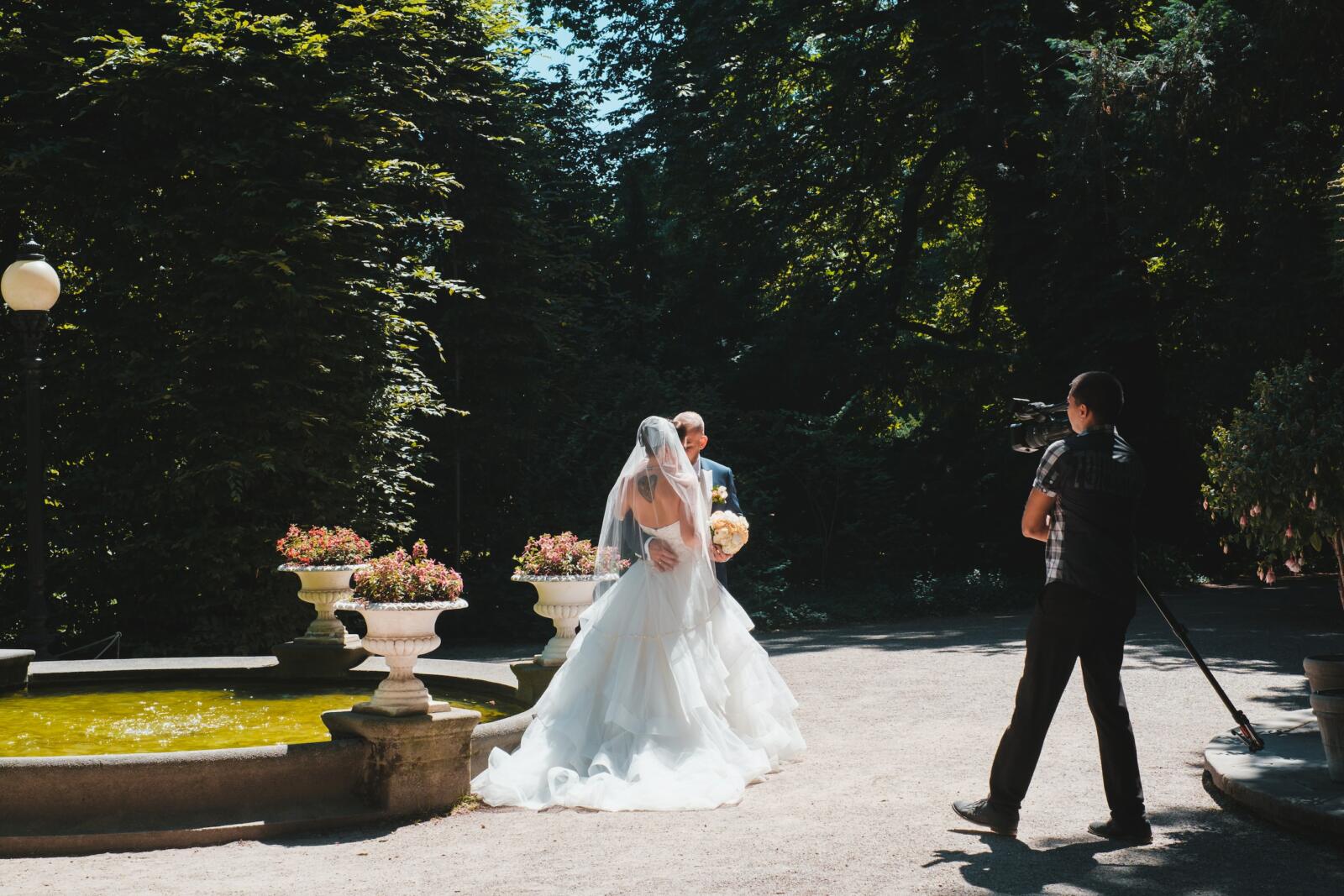
Mia runs a skincare brand in Auckland. She pays a videographer $3,000 to shoot a product launch video, then uploads the final edit to Instagram, her website and a paid Meta ad campaign.
A few months later, she asks for the raw footage so her marketing team can cut more Reels. The videographer says the quote only covered one final edited video, not the raw files or new ad edits. Suddenly, what felt like a simple marketing purchase becomes a copyright problem.
If you're hiring a videographer for your business, the good news is this can be sorted early with the right wording. The key is being clear about ownership, licences, raw footage, music and where you can use the content.
Who Owns Video Footage When You Hire A Videographer?
It depends on the legal basis for the job, but under New Zealand copyright law, you shouldn't assume you own everything just because you've paid the invoice.
Copyright in New Zealand is governed by the Copyright Act 1994. Copyright generally protects original works automatically. You don't need to register it with IPONZ, and there isn't a general copyright register for videos.
For a business video, there can be several copyright layers, including:
- The film or video footage, including the final edited video and potentially the raw clips.
- The sound recording, such as voiceover audio or recorded interviews.
- The script, if someone writes one.
- Graphics, animations and illustrations used in the edit.
- Music and stock assets included in the video.
If your employee creates the video as part of their job, your business will often own copyright unless your employment agreement says something different.
Contractors are trickier. New Zealand has some rules for commissioned works, and copyright in certain commissioned works, including films and sound recordings, may belong to the person who commissioned and paid for them unless the parties agree otherwise. However, many videographers' terms say they retain copyright and only give the client a licence to use the finished video.
That means the contract can change the default position. If you want certainty, put it in writing before the shoot.
Should You Ask For An Assignment Or A Licence?
Yes, you should choose either an assignment or a licence, because each gives your business a different level of control.
An assignment means the copyright is transferred to your business. If you receive a valid assignment, you can usually use, edit, reproduce and commercialise the video as the copyright owner, subject to any limits in the agreement and any third-party rights.
A licence means the videographer keeps copyright, but gives your business permission to use the video in certain ways. A licence can still work well, especially for a one-off campaign, but it needs to be clear.
When An Assignment Makes Sense
An assignment is often better if you want broad control over the content, such as:
- using the footage across your website, ads, email marketing and social media indefinitely;
- editing the footage into new clips over time;
- sharing the footage with agencies, franchisees, distributors or retailers;
- using the video for investor decks, trade shows or training; or
- building a long-term content library for your brand.
When A Licence May Be Enough
A licence may be enough if you're paying for a specific deliverable, such as one hero video for a three-month campaign.
If you go with a licence, spell out:
- whether it's exclusive or non-exclusive;
- which platforms your content licence covers;
- how long the licence lasts;
- which countries or regions it covers;
- whether paid advertising is allowed;
- whether you can edit, crop, subtitle or repurpose the video; and
- whether you can share it with your marketing agency or related companies.
Vague wording like "social media use included" can leave too much room for argument. If you plan to run paid ads, make sure the licence says so clearly.
What Should A Video Production Agreement Include?
A video production agreement should set out exactly what you're buying, who owns what and how the finished content can be used.
You don't need a 40-page document for every small job, but you do need more than a short email saying "one promo video". Templates can miss the details that matter most for your business, so it's worth having the document tailored before you rely on it.
Here is a practical outline you can use to brief your adviser or prepare your thinking before the project starts:
- Parties And Project Details: list your business, the videographer, the shoot date, locations and campaign purpose.
- Deliverables: describe the final videos, formats, aspect ratios, running times and any cut-down versions.
- Raw Footage: say whether raw footage is included, when it will be delivered and in what format.
- Copyright Ownership: state whether copyright is assigned to your business or retained by the videographer.
- Licence Terms: if there's a licence, set out the permitted platforms, territory, term, exclusivity and paid ad rights.
- Third-Party Materials: require the videographer to identify music, stock footage, fonts, graphics and licences used.
- Talent And Location Releases: confirm who will arrange consent from presenters, staff, customers, models and locations.
- Editing And Approvals: set the number of revision rounds, response times and final approval process.
- Payment Terms: cover deposit, milestones, final payment and what happens if the project scope changes.
- Credit And Portfolio Use: say whether the videographer can use the work in their portfolio or social media.
- Confidentiality: protect product launches, customer details, pricing, internal processes and other sensitive information.
- Warranties And Indemnities: include promises about originality, permissions and no unauthorised third-party material.
- Termination: explain what happens if the shoot is cancelled, postponed or the relationship ends early.
For example, if you order one 60-second hero video, three 15-second Reels and all raw footage, write that down. If you only write "brand video package", you may end up paying extra for items you assumed were included.
Do You Automatically Get The Raw Footage?
No, not always. Raw footage should be dealt with separately because many videographers treat it differently from the final edited video.
Raw footage can be valuable. It may include extra product shots, staff interviews, behind-the-scenes clips and customer interactions that your business could use for months or years.
From the videographer's perspective, raw footage can also include mistakes, ungraded footage, incomplete scenes or creative material they don't want released without editing. That's why many video production quotes only include the final deliverables.
If you want the raw footage, ask for it before you accept the quote. Your agreement should cover:
- whether raw footage is included in the price or charged separately;
- whether you receive all raw footage or only selected usable clips;
- the file format, resolution and delivery method;
- when the files will be delivered;
- whether the videographer keeps a backup and for how long;
- whether your business can edit the raw footage itself or through another agency; and
- whether any third-party material in the raw footage has usage limits.
Here is how this can play out. Mia pays $3,000 for a launch shoot and receives one edited 90-second video. Six months later, her agency wants to create 20 short product clips from the unused footage. If the agreement doesn't include raw footage or editing rights, Mia may need to negotiate a new fee, and the campaign timeline could be delayed.
A simple line saying "all raw footage is included and may be edited by the client for future marketing use" can make a big difference, provided it fits the overall copyright arrangement.
Can You Use Music, Stock Footage And Talent In Your Videos?
Yes, but only if the right permissions are in place for the way your business wants to use the video.
This is where many marketing videos run into trouble. You might own or license the video footage, but that doesn't automatically clear every ingredient inside it.
Music Rights
Music is usually protected by copyright. That includes the composition, lyrics and sound recording. Using a popular song in a business video without the right permission can lead to takedown notices, muted audio or claims from rights holders.
If the videographer supplies music, ask them to confirm:
- where the track came from;
- whether the music licence allows commercial use;
- whether paid ads are covered;
- whether the licence covers New Zealand only or worldwide use;
- whether there are platform limits, such as YouTube only; and
- whether you need to display credit.
Stock Footage, Fonts And Graphics
Stock assets can be useful, but their licences can have limits. Some allow organic social posts but not paid advertising. Some allow use in one project but not future edits or resale. Some require attribution.
Your agreement should require the videographer to keep records of all third-party assets used and provide licence details on request.
People In The Video
If your video includes staff, customers, contractors, models or influencers, you may need a written video consent form or release to use their image, voice and statements for marketing.
The Privacy Act 2020 can also be relevant where you collect, use or disclose identifiable information about people. If you're filming customers in your store, recording testimonials or capturing staff at work, it's sensible to tell people what you're filming, how you'll use it and where it may be published.
If the video includes claims about your products or services, check them against the Fair Trading Act 1986 too. Your marketing content shouldn't mislead customers, even if the video itself looks polished.
What If You Want To Use The Video On Social Media And Ads?
You can use the video on social media and ads if your ownership or licence rights allow that use, and any music, talent and stock asset permissions also cover it.
Social media isn't one single use. Organic posting, paid ads, boosting, influencer whitelisting, website embeds and retailer pages can all raise different permission issues.
For a business marketing video, try to get wording that covers the real channels you use now and the channels you may use soon. This might include:
- your website and landing pages;
- Instagram, Facebook, TikTok, LinkedIn and YouTube;
- paid social campaigns and boosted posts;
- Google Ads and YouTube pre-roll ads;
- email marketing and digital brochures;
- retailer, distributor or franchisee marketing;
- events, trade shows and in-store screens; and
- future edits, crops, subtitles, captions and translations.
Be careful with platform terms. When you upload content to a social media platform, you usually give that platform certain rights to host, display and distribute the content. Your agreement with the videographer should allow you to grant those platform rights, otherwise you may technically be stepping outside your licence.
Also think about duration. A licence for "campaign use" may not cover leaving the video on your website for five years. If you want long-term use, say that. Phrases like "perpetual", "worldwide" and "for all business marketing purposes" can be helpful, but they should be drafted carefully so they match what you've actually negotiated.
If your business may expand overseas, mention that early. A New Zealand-only licence may be fine for a local cafe, but it may not suit an ecommerce brand selling into Australia, the US or the UK.
Key Takeaways
- Under the Copyright Act 1994, don't assume payment alone gives your business every right it needs, especially where the contract says otherwise.
- Choose between an assignment and a licence before the shoot, based on how much control your business needs over the video.
- Raw footage should be covered separately, including whether it's included, who can edit it and how it can be used later.
- Music, stock assets, fonts, graphics and talent releases can limit how you use an otherwise approved video.
- Social media and paid advertising rights should be written clearly, including platforms, territory, duration and future edits.
- A tailored video production agreement can help you avoid paying twice for content you thought your business already had.
If you'd like help with your video production agreement, copyright assignment, content licence terms or social media usage rights, you can reach us at 0800 002 184 or team@sprintlaw.co.nz for a free, no-obligations chat.
Drafted by Taylor, Sprintlaw's AI, and overseen by Alex Solo. How we write
Protect your brand
What intellectual property should you protect?
If a name, logo, design or other creative work matters to the business, check who owns it, what permissions you need and whether clearance or registration is appropriate.

Alex SoloCo-Founder