Alex is a co-founder of Sprintlaw. Alex previously worked at a top-tier firm as a lawyer specialising in technology and media contracts, and founded a digital agency which he sold in 2015.
Mia runs a small homewares store and has set up a Boxing Day promo: shelf labels say 30% off, the website says 25% off, and the checkout still charges full price on two popular candles.
On 30 October 2026, the Commerce Commission publicised District Court fines for two North Island supermarkets over repeated pricing errors that misled customers. That update is a timely reminder that pricing errors in NZ aren't just a customer service issue. They can become a Fair Trading Act 1986 issue for any retailer heading into the busy summer trading period.
If your team is changing shelf tickets, running online discounts, adding surcharges or updating point-of-sale systems, now is the moment to do a pricing display review of your price displays and checkout flow. The good news is that this doesn't have to be complicated if you check the right things in the right order.
Contents
- What Has Changed For Pricing Errors In NZ?
- When Did The 2026 Pricing Error Focus Start?
- Who Does The Fair Trading Act Pricing Crackdown Affect?
- What Should You Check Before The Summer Retail Period?
- Pricing Display Review Checklist
- What Are The Most Common Retail Pricing Errors To Fix?
- How Can You Build Pricing Accuracy Into Your Systems?
What Has Changed For Pricing Errors In NZ?
The main change isn't a new pricing law. It's active enforcement attention. The Commerce Commission's 30 October 2026 announcement about fines for repeated supermarket pricing errors shows that pricing accuracy is a live compliance issue, especially where the shelf price doesn't match the price charged at the till.
The legal rules sit mainly in the Fair Trading Act 1986. Section 9 of the Fair Trading Act 1986 prohibits misleading or deceptive conduct in trade. Section 13(g) of the Fair Trading Act 1986 prohibits false or misleading representations about the price of goods or services.
In plain English, if your shelf label, online product page, promotional email, menu board, social post, cart page or checkout screen gives customers the wrong impression about the price, discount or total cost, that can be a problem under the Fair Trading Act 1986.
The Commerce Commission's 2026 enforcement action focused on repeated errors, not a one-off typo fixed immediately. That matters in practice. If your systems regularly charge customers more than your displayed prices, treat that as a signal to review your pricing controls, confirm the position for your business and fix the underlying process.
The Fair Trading Act 1986 isn't a price-matching code. It doesn't say that every mistaken shelf price automatically becomes the legally binding sale price. The bigger risk is that the mismatch misleads customers, causes them to buy on a false basis, or keeps happening after your business knows there's a problem.
When Did The 2026 Pricing Error Focus Start?
The latest public focus started on 30 October 2026, when the Commerce Commission announced the supermarket fines. The Fair Trading Act 1986 duties themselves have been in place for years, so it's safest to check your current pricing now rather than waiting for a future start date.
That means you should treat the 2026 update as a prompt to check your current systems, not as a future change to prepare for later. If you're already advertising summer sales, Christmas bundles, Boxing Day discounts, loyalty pricing or peak-season surcharges, those price representations are already covered by sections 9 and 13 of the Fair Trading Act 1986.
For businesses, the timing is awkward but useful. Summer trading often brings:
- fast-moving promotions across stores, websites and marketplaces
- temporary staff applying discounts at checkout
- supplier cost changes that need price updates
- menu or service surcharges for public holidays
- subscription offers with trial pricing or renewal pricing
- stock shortages where advertised specials sell out quickly
Section 19 of the Fair Trading Act 1986 also deals with bait advertising, which is relevant if you advertise goods or services at a specified price without reasonable grounds for believing you can supply them at that price for a reasonable period and in reasonable quantities.
If you're planning a large promotion, do your checks before it goes live. Once customers have seen the offer, fixing the problem usually takes more effort and may involve refunds, customer communications and extra record-keeping.
Who Does The Fair Trading Act Pricing Crackdown Affect?
It affects any business that sells or advertises goods or services to consumers in trade. Sections 9 and 13 of the Fair Trading Act 1986 apply broadly to conduct and representations made in trade, so this isn't just a supermarket issue.
You should pay attention if your business is a:
- retailer with shelf labels, sale stickers, catalogues or point-of-sale pricing
- ecommerce store with product pages, cart totals, discount codes, online sale terms or automated pricing rules
- hospitality business using menu boards, QR menus, delivery platforms or public holiday surcharges
- subscription seller advertising introductory prices, free trials, minimum terms or renewal charges
- service business advertising package prices, booking fees or add-on costs
- marketplace seller using third-party platforms where your listings can be copied or updated in bulk
For grocery businesses, there can also be specific unit pricing requirements under the Consumer Information Standards (Unit Pricing for Grocery Products) Regulations 2023. Those regulations are separate from the general Fair Trading Act 1986 rules, and they matter if your business falls within their grocery retailer scope.
For all other sectors, the core point is simpler: the customer shouldn't be surprised at checkout by a higher price, a narrower discount or an unavoidable fee that wasn't clearly disclosed before they decided to buy.
Section 40 of the Fair Trading Act 1986 sets maximum penalties for certain offences under the Act, including up to $600,000 for a body corporate and up to $200,000 for an individual. Those are maximums, not automatic fines, but they show why repeated pricing errors deserve management attention.
What Should You Check Before The Summer Retail Period?
You should check every place where a customer sees, relies on or pays a price. A practical pricing display review should follow the customer journey from first ad to receipt.
Pricing Display Review Checklist
Use this as a working checklist before peak trading starts, and again whenever you launch a major promotion.
- Match shelf labels to checkout prices: Scan a sample of high-volume and sale items, then compare the shelf ticket, POS price and receipt total.
- Check online product pages: Make sure the product page, category page, cart, checkout page and confirmation email show the same price and discount.
- Test discount codes: Confirm the discount applies to the right products, dates, quantities and exclusions before you advertise it.
- Review was/now pricing: Keep records showing the earlier price was genuine, because section 12A of the Fair Trading Act 1986 prohibits unsubstantiated representations.
- Disclose unavoidable fees early: Delivery fees, booking fees and surcharges should be clear before checkout so the total price isn't misleading under sections 9 and 13 of the Fair Trading Act 1986.
- Check sale end dates: Remove expired shelf tickets, homepage banners, social posts and email popups once the promotion ends.
- Train temporary staff: Give clear instructions on what to do if a customer points out a price mismatch.
- Keep an error log: Record the product, date, cause, customer impact, fix and whether refunds were offered.
Your review doesn't need to be fancy. A spreadsheet, a daily exception report and a named person responsible for sign-off can go a long way. What matters is that your business can show the pricing system is checked, errors are fixed promptly and repeated issues are escalated.
If you use templates for promotional terms, make sure they're tailored to your actual offer. Generic wording often misses practical details like stock limits, excluded products, loyalty conditions, online-only pricing and what happens if a third-party platform displays the wrong price.
How Should You Handle A Pricing Error Once You Find It?
You should act quickly, fix the customer-facing price mismatch and keep a clear record of what happened. Under sections 9 and 13 of the Fair Trading Act 1986, the key issue is whether customers have been misled about the price or discount.
Start with the live risk. If the checkout is charging more than the shelf label or online page, pause the affected promotion or update the incorrect display immediately. If the website is showing the wrong price because of an automated feed, check whether the same error has pushed to marketplaces, email campaigns or ads.
Then work out the customer impact:
- which products or services were affected
- what the displayed price said
- what customers were actually charged
- when the error started and ended
- how many customers may have been affected
- whether any customers complained or received a refund
There's no general Fair Trading Act 1986 rule that every customer must receive the lower displayed price in every situation. However, if customers were charged more than the displayed or advertised price, a refund of the difference is often the practical way to reduce harm and show that your business took the issue seriously.
If the error is widespread, repeated or linked to a major promotion, get advice before sending customer communications. Your wording should be clear, consistent and accurate, because the follow-up message is also conduct in trade under section 9 of the Fair Trading Act 1986.
Worked Example: A Summer Sale Price Mismatch
Say Ari runs a small outdoor gear store. On 15 December 2026, Ari advertises a camping chair at $49, down from $69, on the website and on shelf tickets. The POS system wasn't updated, so from 15 to 17 December, 42 customers are charged $69 at checkout.
Ari's team removes the wrong shelf tickets, updates the POS price to $49, checks the online cart and records the error in a pricing log. They identify the 42 affected transactions from receipts and offer each customer a $20 refund. Ari also adds a rule that no promotion goes live until the shelf ticket, website price and POS price have been scanned and signed off by two team members.
That practical response helps reduce customer harm and creates a record of the fix. It also deals with the type of misleading price mismatch covered by sections 9 and 13(g) of the Fair Trading Act 1986.
What Are The Most Common Retail Pricing Errors To Fix?
The most common errors aren't usually complicated legal mistakes. They're operational gaps where one channel changes and another does not.
Watch closely for these issues:
- Shelf price and checkout price don't match: This was central to the type of concern highlighted in the Commerce Commission's 30 October 2026 enforcement announcement.
- Online price and cart price don't match: If the customer clicks on a $30 item but sees $38 at checkout without a clear explanation, that can be misleading under section 9 of the Fair Trading Act 1986.
- Discounts are narrower than advertised: A banner saying 40% off storewide can mislead if major categories are excluded and the exclusions aren't clear, under section 13(g) of the Fair Trading Act 1986.
- Was/now pricing isn't supported: If you say an item was $100 and is now $70, keep records showing the earlier price was genuine, because section 12A of the Fair Trading Act 1986 deals with unsubstantiated representations.
- Fees appear too late: Mandatory service fees, booking fees or delivery charges shouldn't be hidden until the final payment step, because section 9 of the Fair Trading Act 1986 covers misleading overall impressions.
- Old promo material stays live: Expired social posts, email popups and printed signage can still mislead customers if they continue to advertise an old price.
Hospitality businesses should be especially careful with public holiday surcharges and card payment fees. If the fee is unavoidable or likely to affect the final price, customers should see it clearly before ordering, not only after they have committed.
Subscription businesses should also check introductory offers. If you advertise the first month at a low price, make the renewal price, billing frequency, minimum term and cancellation steps clear so the price representation isn't misleading under sections 9 and 13 of the Fair Trading Act 1986.
How Can You Build Pricing Accuracy Into Your Systems?
You can reduce pricing errors by giving one person ownership, using written sign-off steps and checking prices the way customers actually experience them. Rather than looking for one prescribed internal template, focus on accuracy, clarity and a process your team can actually follow.
A good pricing process usually includes:
- Promotion brief: Record the products, dates, channels, discount, exclusions, stock limits and approval person.
- Price source of truth: Decide whether the POS, ecommerce platform or inventory system controls the final customer price.
- Pre-launch test: Scan in-store items and place a test online order before the promotion goes live.
- Live spot checks: Check bestsellers, high-discount items and manually stickered products during the campaign.
- Error escalation: Give staff a clear process for stopping a promotion, refunding affected customers and notifying management.
- Post-promotion clean-up: Remove signage, banners, codes and marketplace listings when the offer ends.
If you sell across multiple channels, build in extra checks for data feeds and third-party platforms. A product information feed can create the same pricing error across your website, social shop, marketplace listing and email automation in minutes.
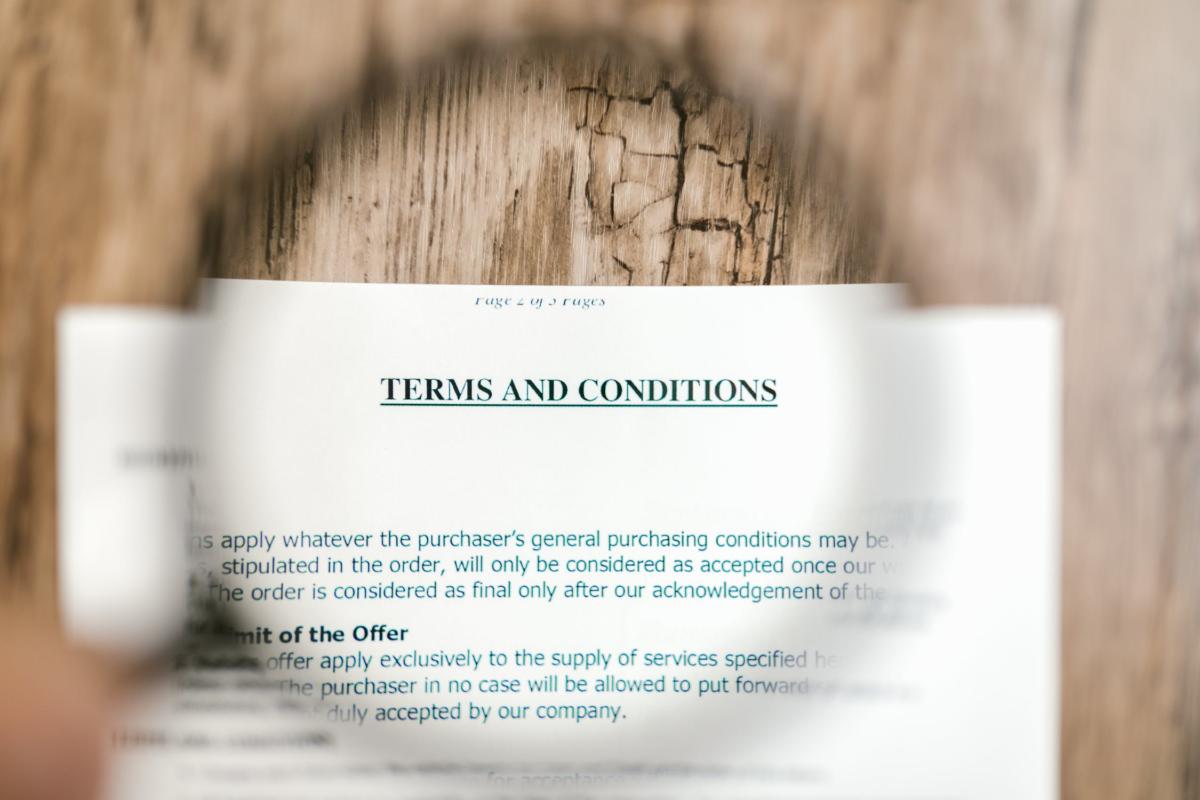
Your customer contracts and terms can also help, but they can't fix a misleading price display on their own. Online terms and conditions that explain how you handle obvious pricing mistakes, cancellations, refunds and discount code exclusions should be written clearly and tailored to how your business actually sells. If the terms are vague or buried, they may not protect you when the displayed price creates a different impression.
Key Takeaways
- The Commerce Commission's 30 October 2026 enforcement announcement makes pricing errors in NZ an active Fair Trading Act issue for retailers and ecommerce stores.
- Sections 9 and 13(g) of the Fair Trading Act 1986 are the key rules for misleading price displays, checkout mismatches and discount claims.
- Check shelf labels, online product pages, cart totals, discount codes, surcharges and receipts before summer promotions go live.
- Repeated errors are riskier than a one-off mistake, especially if customers are charged more than the displayed or advertised price.
- Keep records of your pricing display review, error fixes, refunds and staff training so you can show how your business manages pricing accuracy.
Official Sources
If you'd like help with customer terms, promotional terms, ecommerce checkout wording or pricing compliance processes, you can reach us at 0800 002 184 or team@sprintlaw.co.nz for a free, no-obligations chat.

Alex SoloCo-Founder