Sapna is a content writer at Sprintlaw. She has completed a Bachelor of Laws with a Bachelor of Arts. Since graduating, she has worked primarily in the field of legal research and writing, and now helps Sprintlaw assist small businesses.
Contents
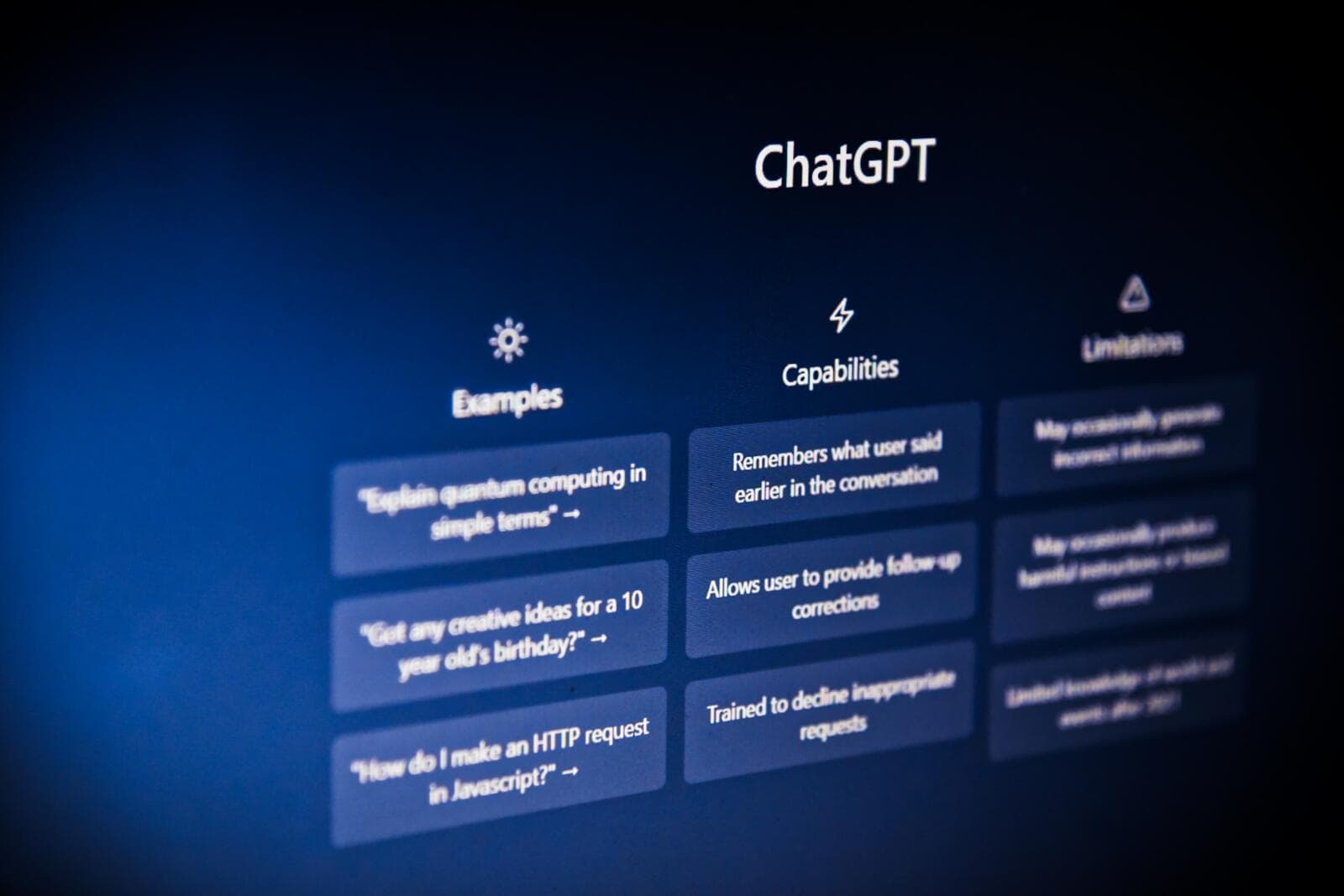
Chatbots have been gaining a lot of attention recently, particularly with ChatGPT getting over 1 million users since its release.
Chances are you’ve interacted with a chatbot at least once. Perhaps it was an intentional experiment, just to see what it might say. Maybe you needed help with something and instead of chatting to a customer services representative, you ended up speaking with the company’s chatbot.
If you've been in this position, then you might have realised these forms of artificial intelligence (AI) are interestingly capable and useful.
As they begin to present themselves more in our daily lives, it’s worth taking a look at the legal side and potential consequences when using chatbots and ChatGPT.
For example, some questions we’ve seen going around are:
- Can chatbots provide legal advice?
- Is ChatGPT capable of copyright infringement, and if so, what are the consequences for the end user?
- How can you maintain confidentiality when interacting with a chatbot?
In this article, we’ll dive into the legalities of chatbots, ChatGPT and the emerging world of AI.
How Does ChatGPT Work?
ChatGPT is an AI system that has the ability to generate comprehensive answers upon request by an end user. It can write codes, stories and even articles (don’t worry, this one was written by us!).
Essentially, ChatGPT contains a vast (but still limited) amount of data which it then uses to piece together a response using Natural Language Processing (NLP).
The result is a human-like reply from a computer. For example, you can ask ChatGPT for instructions on how to cook the perfect scrambled eggs and you will receive a detailed recipe in return.
Up until date, search engines have mostly allowed us to seek answers ourselves. Google cannot write up an article for your business, but ChatGPT can. The introduction of a system that generates detailed answers and even pieces of work has excited a lot of users. At the same time, it raised a number of legal questions.
Legal Issues With ChatGPT And Chatbots
ChatGPT is still in its early stages. Therefore, not everything has been fully worked out. When it comes to AI in general, there are some legal issues that are yet to be addressed both in New Zealand and across the world. As a result, when you’re using ChatGPT, it’s important to be aware of these issues so you can navigate around them and avoid legal consequences.
Our legal system currently hasn’t answered important questions around who can take credit or responsibility for AI systems like ChatGPT. Due to this, there is some uncertainty and risk associated with using ChatGPT and Chatbots.
A couple of the main legal issues to consider are:
- Plagiarism
- Copyright
- Accuracy
Let’s go through each of these in more detail.
Plagiarism
When using ChatGPT to complete a certain task, you need to be wary of potentially plagiarising. As ChatGPT is not an actual person, some people might question whether or not using the work generated by it is considered plagiarism.
However, others have strictly banned the use of answers generated by ChatGPT. For example, certain regions in New Zealand have banned the use of ChatGPT in schools. University policies are yet to be updated on the matter.
Overall, while you can use ChatGPT to answer questions and generate work for you, we don’t recommend submitting this as your own.
Copyright
Much like plagiarism, there’s no clear answer regarding who owns the work generated by ChatGPT. In fact, there are questions as to who owns the copyright to the work produced by any other AI system.
New Zealand case law has ruled that an AI system cannot own intellectual property (IP) as it is not a natural person. This is a complex area of law that is still evolving.
As ChatGPT has been developed by OpenAI, it’s best to get familiar with the terms set out by them in regards to any copyright issues. You will also need to consider the idea of originality. Copyright is placed on any work that is considered original. However, if another user provided the exact same input as you, they may receive an identical answer.
Accuracy
ChatGPT is a database with a limited amount of knowledge. While its functions are impressive, it cannot know everything. Furthermore, the information you receive will be restricted to when ChatGPT’s knowledge database was last updated.
Let’s say you’re an employer thinking about asking ChatGPT a question regarding the kind of entitlements and awards you might owe your employees. ChatGPT will likely be able to answer your questions, however, there’s a chance it won’t be able to factor in the recent changes to the employment laws.
In other words, AI generally may fail to consider the latest updates on the law, so it’s not necessarily a reliable source of advice.
What Legal Documents Can Protect My Intellectual Property?
If you’re worried about legally protecting your original work in an era of AI, then you can always look into getting the right legal documents.
Keep in mind that these legal documents are designed to protect work you have created on your own, not through a computer generated system.
Disclaimer
Copyright is applied automatically to any original work that is produced. However, while this is a legal right that every person is entitled to, there are some cases where it may not fully protect you.
If you’re considering safeguarding your copyrighted creations, you can always get a disclaimer written. A disclaimer is a legal document that lets others know who the owner of the work is and what purposes it can be used for.
Every disclaimer can be customised to suit your specific needs, so get in touch with a legal professional to discuss drafting a disclaimer that is catered to you.
IP Licence Agreement
As the owner of intellectual property, you have the right to charge others for using the same IP. This is known as licensing your IP and it can be a great way to get your work out there and monetise it.
It can be hard to protect your work when it’s in the hands of others. An IP Licence is a legal agreement that allows you to safely licence your IP. The agreement covers important matters such as scope, terms, payment and termination. That way, if something goes wrong, you can always fall back on the contract.
Key Takeaways
As technology continues to advance, there will be new systems, innovations and challenges that come along with it. It’s our job to assess the consequences, adapt and continue to seek legal protections where applicable. ChatGPT brings with it a lot of new possibilities, but also a number of legal questions.
To summarise what we’ve discussed:
- ChatGPT is an artificial intelligence system that is able to produce content and human like responses to questions based on gathering information from its data systems
- Even though this is exciting and potentially very useful, it’s important to consider the legal side of it
- Questions regarding plagiarism, copyright and accuracy have all been raised when it comes to ChatGPT and other chatbots
- When using ChatGPT, it’s important to be careful of the potential issues like copyright
- If you’re thinking of protecting the original work you have created, talk to a legal expert about getting the right documents such as a IP Licence drafted.
If you would like a consultation on legal documents you may need to protect your IP, you can reach us at 0800 002 184 or team@sprintlaw.co.nz for a free, no-obligations chat.

Sapna Goundancontent writer